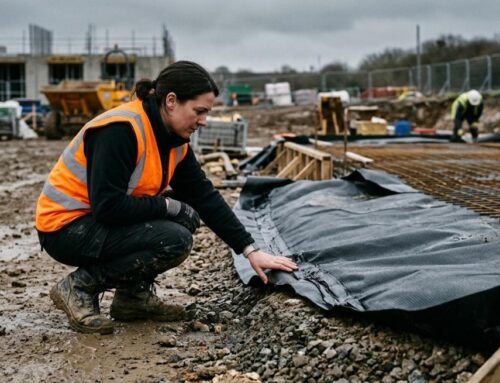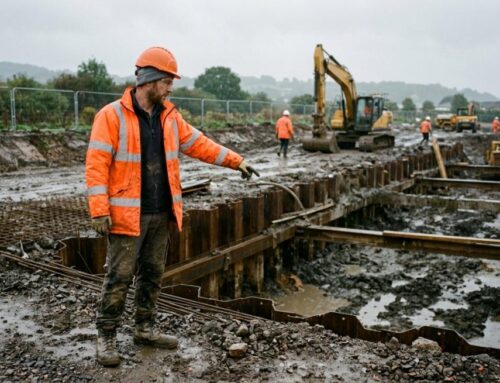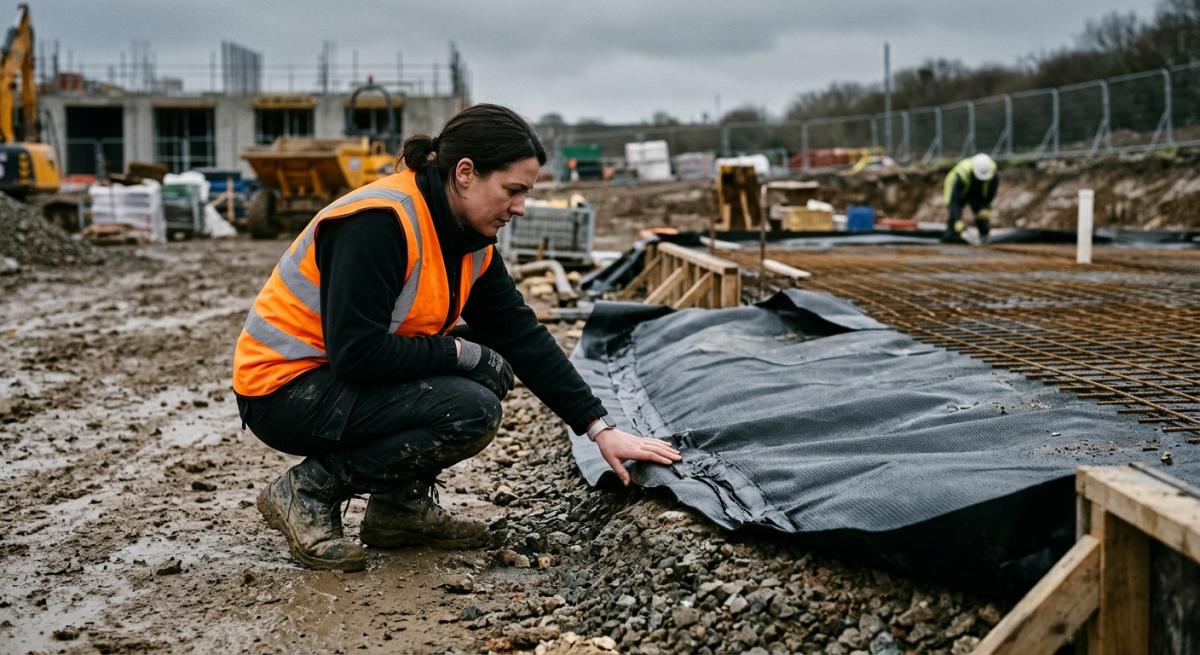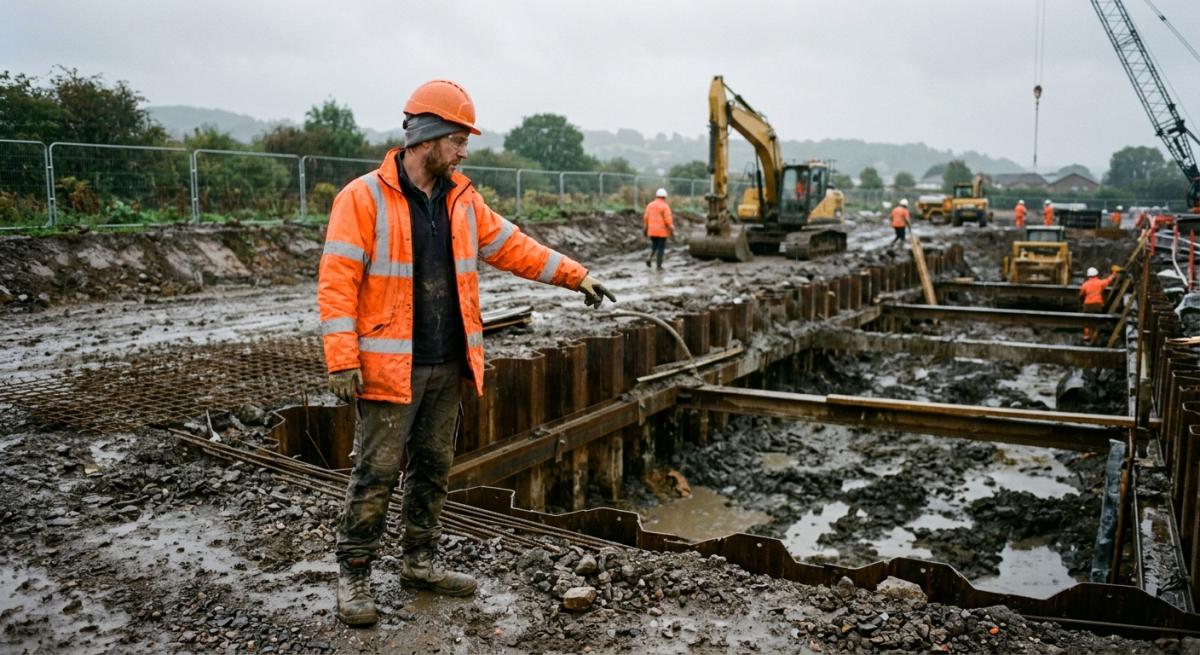
It is often easy to focus entirely on the visible aspects of a construction project while neglecting the essential work happening beneath the surface, especially when it comes to the long-term integrity of ground gas protection. Many site managers encounter persistent issues where moisture accumulation threatens the integrity of their installations, leading to hidden problems that only surface long after the building is occupied. This guide explores the relationship between effective site drainage and the performance of your gas membrane, providing a clear path to avoiding common pitfalls that arise when these systems are treated as separate entities. You will learn how to integrate these elements during the design phase to protect your assets and maintain compliance, ensuring that your projects remain secure, reliable, and durable for many years to come as we share insights gained from over thirty years of industry experience.
Standing water on a development site creates immediate difficulties for teams attempting to lay membranes, as the moisture prevents a proper seal and risks future gas leakage. You might find that contractors struggle to maintain the required cleanliness for weld integrity, which forces a slow-down in progress and increases the chance of costly remedial work during later inspections.
When you neglect the connection between water management and your barriers, the resulting degradation of the membrane materials leads to genuine frustration and a loss of confidence from your stakeholders. This oversight often manifests as failed site verification reports that delay the handover of your project, creating a ripple effect of budget overruns and difficult conversations with local planning authorities about safety compliance.
The best way to solve this is to adopt a combined approach where drainage and gas protection work in tandem to keep the building envelope dry and gas-tight. By prioritising the management of groundwater before the membrane installation begins, you establish a stable foundation that supports the entire barrier system so that the risk of failure is reduced.
KEY TAKEAWAYS
- Proper site drainage prevents water pressure from pushing against the underside of your membrane, which protects the seals and prevents moisture from causing chemical degradation over the life of the building.
- You should integrate the drainage strategy with your ground gas protection plan at the early design stage so that water is directed away from the structural slab before the barrier is applied.
- Maintaining dry ground conditions allows your team to achieve a high standard of membrane installation because the surfaces remain clean and receptive to the techniques used for effective joint sealing.
Rigorous attention to sub-slab drainage is essential to prevent hydrostatic pressure from compromising the integrity of gas membrane systems.
Table of Contents
- The risks of trapped moisture under your barrier
- Steps to achieve a successful installation
- Ways to ensure long term system durability
- Frequently Asked Questions around Gas Membrane Installation
Need Specialist Advice on gas membrane installation?
Speak to our technical team today for tailored specifications, regulations compliance, and practical support.
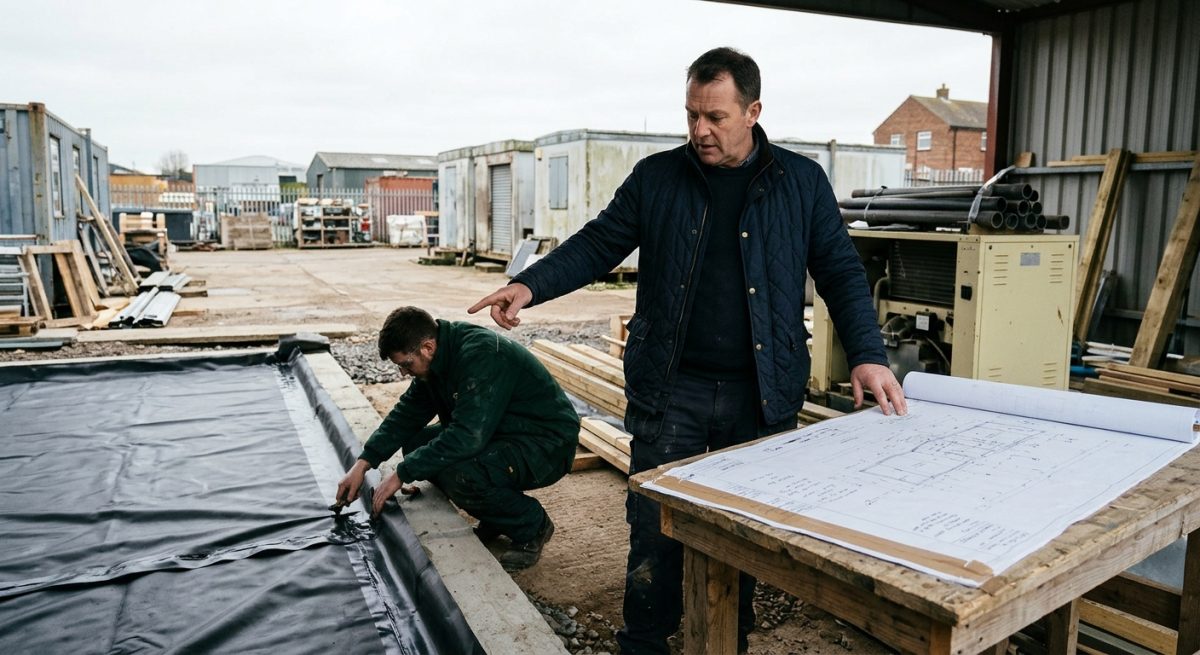
The risks of trapped moisture under your barrier
Why standing water compromises your site integrity
When you look closely at the foundation of any build, you start to see that a gas barrier is only as good as the ground it sits upon. If your site drainage is poorly managed, you end up with pockets of standing water that exert hydrostatic pressure against your membrane, which creates a genuine risk of long-term failure because the material is never intended to function as a permanent water tank.
In practice, this means that even the most high-quality membrane can suffer from degradation if it stays submerged for months at a time during the construction phase. Because local contractors often rush to cover their work, they might bury an drainage oversight that eventually leads to structural movement or leaks that are incredibly expensive to fix once the concrete slab is poured. If you walk around a site in the rain and notice pools of water that refuse to drain away, you should treat that as a red flag for the health of your future barrier.
- Water trapped under the membrane causes the ground to soften and shift under the weight of the slab.
- Continuous exposure to moisture can cause poor adhesion at critical joints and overlaps during the installation.
- High water tables often force gas upwards, which means your barrier has to work much harder to maintain a seal.
Practical ways to manage ground conditions
Once you have a clear picture of how water behaves on your specific plot, you can adjust your installation strategy to avoid these hidden hazards. You might think about installing a simple land drain or a blinded surface that directs water away from the footprint of the building before the membrane team arrives on site. Think of this process like checking how a website loads on a mobile phone before you launch your campaign, because if the foundation is flawed, the entire project struggles to perform no matter how much you spend on the top layer.
When you see a site that stays dry throughout the winter months, it is usually because the groundwork team spent extra time getting the levels and drainage channels exactly right from the very start. Taking this proactive approach prevents membrane failure and keeps the substructure dry, which saves your business from the significant stress of dealing with remedial works after the client has moved in. Dealing with these issues while the ground is still open gives you complete peace of mind that the protection remains effective for decades to come. By focusing on where the water goes before you lay your first sheet of plastic, you stop the potential for future headaches before they even begin.
| Scenario | Site Drainage Status | Gas Membrane Impact | Long-term Reliability |
|---|---|---|---|
| Well Drained Site | Dry subgrade surface | Optimal bond and seal integrity | High performance |
| Poor Drained Site | Standing water present | Adhesion failure at joints | High risk of gas ingress |
| High Water Table | Hydrostatic pressure issues | Membrane uplift and stress | Potential puncture or failure |
Steps to achieve a successful installation
Clear foundations before the membrane arrives
The ground beneath a construction project often dictates how long a barrier system stays intact, so you should prioritise site preparation before any materials touch the soil. When you look closely at how water gathers in hollows or tracks across uneven surfaces, you quickly realise that a membrane trapped in a puddle will struggle to maintain its integrity over the coming years. Much like a business owner checking their local postcode searches to see where their customers actually live, you need to observe how rainwater behaves on your specific plot of land during a standard British downpour. If the water has nowhere to go, it puts pressure on the welds and seams of your barrier, which is why a well-designed drainage fall is just as important as the quality of the plastic itself.
High installation standards for lasting results
Once you have a clear picture of the site drainage, your focus should shift toward the practical application of your gas barrier. Poor installation standards often stem from a rush to finish, yet taking an extra afternoon to ensure the sub-base is dry and smooth prevents the kind of punctures that cost thousands to fix later. Think of this process in the same way you might view your company website on a mobile phone, where you expect the images to load instantly because any lag loses you a customer. If the surface is damp or covered in debris, the membrane will not bond properly, so you must treat every seam with the same attention you give to your most important client enquiries.
Regular checks on site moisture
In practice, this means checking the moisture levels of the substrate after a heavy spell of weather before you commit to rolling out the protective layers. Because local customers tend to rely on word-of-mouth recommendations, your reputation hinges on the longevity of these hidden systems, which are meant to last for decades without failing. If you notice the ground has become saturated, pause the work so that you can address the drainage flow and dry the area completely. This approach might feel slower in the short-term, but it saves your team from the embarrassment of a failed inspection. When you combine proper site management with a careful eye for detail during the layout, you end up with a result that protects both the building occupants and your professional standing in the industry. Proper preparation removes the risk of trapped water pushing against the barrier, so your installation stays secure and fully operational for the entire life of the property.
Ways to ensure long term system durability
Protecting your investment from the ground up
When you look closely at how a site handles its water, you realise that the foundation of long-term gas barrier systems is surprisingly dependent on effective drainage. If moisture is allowed to pool around the perimeter or beneath the slab, you create a hydrostatic pressure that can stress the integrity of your gas membranes over many years. It is much like finding a damp patch in a brickwork cellar; you fix the pipework first because you know that no amount of sealant will hold back constant water pressure forever. When you prioritise a site that stays dry, you allow your protection layer to function exactly as the manufacturer intended without the added burden of constant saturation.
Practical ways to protect the installation
Once you have a clear picture of how water moves across your site, you can put measures in place to keep the area protected for the long haul. Here are three simple methods that make a genuine difference to the way your site holds up over the coming decades.
- You install a dedicated land drain system around the foundation perimeter, which carries runoff away from the membrane before it has any chance to collect against the building.
- You grade the surrounding ground surface so that rainfall flows toward the site boundaries, which prevents the soil under the structure from becoming waterlogged during the wetter months of the year.
- You select a high-quality gravel backfill for your drainage trenches to ensure that water moves freely through the pipework without creating blockages that cause backflow against your foundations.
Taking a proactive approach to site conditions
In practice, this means checking the local terrain before your team even starts the first phase of the installation. If you find that the local geology features clay or high water tables, you should adjust your drainage strategy to accommodate the higher risk of saturation. Because your local customers appreciate a builder who thinks about the finish ten years down the line, these invisible details become a powerful part of your professional reputation. Think about it in the same way you look at a building site’s history or the local planning history for clues about hidden water issues. When you combine high-performance barrier materials with a design that keeps the site dry, you create a combination that stands the test of time. These small adjustments at the ground level prevent the expensive repairs that often occur when water finds its way into places it should never reach. Focusing on the flow of water around your site is one of the most effective ways to preserve the system longevity of your build.
Frequently Asked Questions around Gas Membrane Installation
Why does standing water around my foundation cause trouble for the membrane?
Water that pools near your foundation puts significant pressure on the barrier because moisture seeks any possible weak point to penetrate the structure. If the drainage isn’t doing its job, the weight of the water can push against the seals which might eventually lead to small gaps or leaks in the gas membrane system.
How do I know if my site needs a specialised drainage system?
You should look at the soil composition and the local water table levels early in the project because heavy clay soils often hold onto water for a long time. If you see persistent puddles after rain, it is a clear sign that you need to invest in a land drainage system to protect the integrity of the gas protection measures.
Can a properly designed drainage layout save me money on the installation?
Good drainage keeps the working area dry which means your installers can finish the job without the delays caused by muddy or saturated ground conditions. Saving time on site is a great way to keep your labour costs down while you also reduce the risk of needing expensive remedial work later on.
Should the gas membrane be installed before or after the drainage pipes?
Most contractors prefer to get the perimeter drainage pipes in place first so that the foundation sub-base remains dry throughout the entire build process. This sequence gives the team a solid and clean platform to work on, which makes the delicate task of welding or taping the membrane joints much easier to manage.
What happens if the gas membrane gets wet during the fitting process?
Moisture trapped underneath the membrane can create pockets of water that might interfere with the long-term adhesion of the joints or the performance of the barrier. Experienced teams will always use a squeegee to dry the area thoroughly because even a small amount of trapped water can weaken the seal between the membrane sheets.
Do I need to worry about the drainage pipes getting blocked with silt?
Over time, silt and fine debris can build up inside your drainage pipes and stop the water from flowing away from the building foundations. You should include access points or inspection chambers in your design so that you can flush the pipes out periodically which keeps the area around your membrane dry.
Is it possible to use a gas membrane that is also a damp proof course?
Many products on the market are designed to act as both a gas barrier and a moisture barrier, which is very helpful for residential building projects. These dual-purpose membranes work well as long as the drainage around your building handles the bulk of the water away from the walls and floors.
How often should a site manager inspect the drainage and membrane status?
You should schedule regular walkarounds throughout the construction phase to check that the drains remain clear and the membrane hasn’t been punctured by other trades. Spending 10 minutes once a week to spot any potential issues allows you to fix small problems before they grow into expensive mistakes that require major repairs later.
Ready to Discuss Your gas membrane installation Project?
Get in touch with our specialists today for detailed site guidance, technical specifications, and a quotation tailored to your requirements.