Navigating the complexities of surface water management often feels like a minefield when your primary goal is simply getting your project off the ground. Many business owners discover that installing large attenuation tanks becomes a significant sticking point with local planning authorities because these structures change the way your site interacts with the natural water table. This guide cuts through the technical jargon and helps you anticipate the common roadblocks that hold up development applications. With over three decades of experience at Catalogue Engineering, we understand how to present your water management strategy in a way that satisfies officials and keeps your timeline on track. By focusing on site-specific hydrology and early consultation, you can transform a potential planning disaster into a successful project milestone that moves forward without unnecessary stress or costly administrative delays for your business.
Your commercial site expansion depends on many moving parts, so it becomes quite disheartening when a necessary water management upgrade stalls your entire programme for several months. These installations require deep excavation and complex integration with existing site infrastructure, which means they appear as major alterations on your submitted site drawings to any case officer.
When you fail to address these technical concerns during the preliminary design stage, you often face a flurry of follow-up requests that drain your team of energy and budget. This friction frequently results in lost enquiries because your project sits idle while you wait for extra flood risk assessments or drainage layout revisions to satisfy council requirements.
We offer a straightforward approach that bridges the gap between your engineering requirements and the expectations set by your local planning authorities. By documenting the environmental impact and technical specifications from the very first day, you build a clear case that highlights your commitment to sustainable water management and responsible site development.
KEY TAKEAWAYS
- Proactive engagement with your local planning authorities allows you to address potential drainage concerns before you submit your formal development application.
- Accurate site-specific data serves as the best defence against planning delays because it proves that your attenuation tanks manage runoff effectively according to regional standards.
- Proper coordination between your drainage design team and the council helps you secure approval faster because the technical requirements are clearly addressed from the start.
Table of Contents
- The importance of hydraulic modelling
- Managing ground conditions and flood risk
- Who maintains the underground infrastructure
- Strategies to smooth your planning application
- Frequently Asked Questions around Attenuation Tanks
Need Specialist Advice on attenuation tanks?
Speak to our technical team today for tailored specifications, regulations compliance, and practical support.
The importance of hydraulic modelling
How the data shapes your site permission
When you prepare for a large scale attenuation tank installation, you need to prove to your local planning authority that your site will not cause flooding issues for your neighbours. Hydraulic modelling is the tool that transforms your site plans from simple sketches into a scientific justification for your development. It is a bit like checking how your website performs during a busy seasonal sale, where you need to see exactly how your server handles a sudden surge in traffic before the customers arrive. By simulating how surface water behaves during heavy rainfall, you demonstrate that your sustainable drainage systems will manage the volume effectively, which saves you from endless back-and-forth communication with council drainage engineers.
Why the precision matters for local approval
You will find that planning officers look for hard data to support your application, especially if your site is in an area known for groundwater issues or complex terrain. Because they deal with dozens of applications every week, they rely on these models to confirm that you have factored in the specific rainfall patterns of your postcodes. Without this evidence, the planning process often grinds to a halt while you scramble to gather late technical reports.
- You account for the total impermeable surface area that contributes to runoff.
- You predict how the attenuation tanks will store water during a one-in-one-hundred-year storm event.
- You demonstrate how the controlled discharge rate protects the local sewer network from sudden overload.
When you invest time in these simulations early on, you show the authorities that you have considered the long-term impact on the community. It is similar to how a business owner reviews their conversion metrics to identify why a specific page might be losing customers, as you are simply identifying potential bottlenecks before they happen. Once you have a clear picture of the flow rates and storage requirements, you can adjust your design to fit the exact constraints of the plot.
Connections between design and council feedback
The conversation with your planning office becomes much more straightforward when your report clearly explains the drainage strategy. Rather than hoping for a quick approval based on vague promises, you offer a concrete solution that shows exactly how the system performs under pressure. This approach helps you maintain your project timeline because it provides the technical clarity that regulators expect to see in a modern development. Most of the time, the feedback from the council will highlight small adjustments rather than forcing a complete redesign, which keeps your installation costs predictable. You gain a significant advantage when you present a plan that is built on accurate calculations, as it shows you have done your homework on how water interacts with your specific site.
| Planning Factor | Low Impact Installation | Major Infrastructure Project | Regulatory Risk Level |
|---|---|---|---|
| Flood Risk Assessment | Basic standard report | Comprehensive hydraulic modelling | High |
| Local Authority Consultation | Standard desk based study | Full stakeholder engagement required | Medium |
| Drainage Strategy Approval | General permitted development | Full planning permission mandatory | High |
Managing ground conditions and flood risk
Digging into the details beneath your site
When you start looking at the land beneath your feet, it is easy to assume that a standard soil report covers everything you might need for a large installation. In reality, local ground conditions change remarkably across even small distances, so you need to look at historic data from neighbouring developments to get a true picture. If your neighbours have struggled with high groundwater levels during a particularly wet winter, your attenuation tank will almost certainly require a specialised buoyant-resistant design to stay in the ground. This is exactly where our thirty years of experience helps, because we have seen how different soil structures respond to heavy rainfall across various parts of the UK. We suggest you speak with a local geotechnical engineer who knows the specific clay or gravel deposits in your area, as this proactive step often solves potential planning delays before they even start.
Why water management requires a wider view
Thinking about how rainfall travels across your site is just as important as the tank capacity itself. Local authorities look for clear evidence in your flood risk assessments that you understand how water moves from your roof surfaces and car parks towards the proposed storage area. If you look at how a page loads on a mobile phone for a client, you can see if the user experience feels disjointed or slow, and the same principle applies to how water moves across your site drainage plan. You need to show that your system works in harmony with the natural slope of the land rather than fighting against it. If the drainage design fails to account for heavy downpours, the local council will likely ask for significant revisions, which creates unnecessary project delays for your business.
Moving forward with local knowledge
Once you have a clear picture of the risks, you should keep your planning officer informed at every stage of the process. Because local planning teams manage many different projects, they value a clear and honest submission that addresses groundwater levels and drainage flow rates upfront. We find that when you provide thorough documentation that maps out your site drainage strategy, the entire approval process becomes much more straightforward. You should also consider how your chosen site access points might be affected by these ground works, because heavy machinery often struggles on saturated ground during the autumn and winter months. By coordinating your site logistics with the physical realities of the soil, you avoid the common pitfalls that often cause projects to go over budget. Taking the time to understand your specific site conditions is the most reliable way to reach a successful outcome for your large scale water management installation.
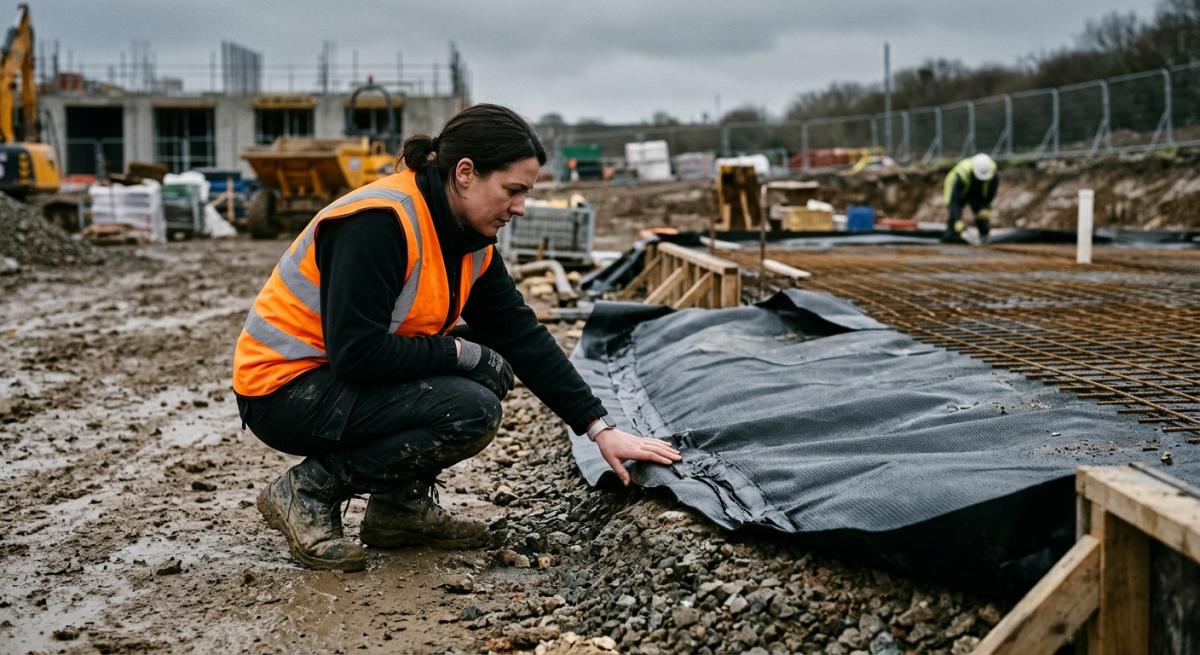
Local planning authorities scrutinise the complex drainage schematics required for underground flood mitigation infrastructure.
Who maintains the underground infrastructure
Where responsibility lands after the digger leaves
When you invest in a large-scale attenuation system, the excitement of breaking ground often overshadows the reality of who looks after the pipes and crates once the project concludes. Many business owners assume the council or the water authority will step in immediately, but that is rarely the case unless you have legally formalised the handover. If you find yourself holding the keys to a complex drainage network, you effectively become the utility manager for your own site, which means any blockages or structural failures fall squarely on your shoulders. You should check your planning conditions early because they often contain specific clauses about how your system connects to the main public sewer network.
How to handle the official paperwork
If you intend to pass the system over to the local water company, you will need to engage with them through formal processes long before the site is finished. Without these signed documents in place, you remain the primary contact for any environmental issues or surface water flooding that might affect your neighbours. To get your head around the requirements, you should look at these three aspects of the legal transfer.
- You must provide an accurate, as-built drawing of the entire attenuation tank location and the connecting pipework so the authorities understand what they are taking on.
- You need to verify that your system meets their specific design standards because they will refuse to adopt anything that does not align with their own operational assets.
- You should have a clear record of all material specifications used during the construction, which proves the infrastructure is built to survive decades of ground pressure.
Ways to stay on top of your site obligations
Once you have a clear picture of whether you are keeping the responsibility or handing it over, you need a plan for the ongoing health of the system. Even if you are aiming for adoption agreements that shift the burden to a third party, you might still be liable for any damage caused by poor management during the interim period. Many owners make the mistake of burying these tanks and forgetting they exist, yet silt accumulation or debris can easily compromise the performance of your drainage strategy.
You should treat your attenuation system like any other critical piece of business plant equipment, which means setting up regular inspection windows to ensure the outflow points remain clear of obstructions. If you look at the maintenance schedules recommended by the manufacturer, you will find that a bit of proactive care prevents the significant costs associated with emergency repairs or drainage failure. Staying engaged with the physical reality of your infrastructure serves as the best insurance against future regulatory headaches, especially when you consider how quickly small problems can escalate into site-wide flooding issues.
Strategies to smooth your planning application
Talk to the local planning office early
When you start drafting your project plans, the most effective step is to initiate a conversation with your local council before submitting any formal paperwork. Many business owners assume that sending in a final design is the only way to begin, but meeting a planning officer for a brief chat often clears up confusion about drainage requirements before you commit to expensive engineering drawings. Because local councils appreciate being kept in the loop from the outset, you will find they are much more willing to provide guidance on how your attenuation tank fits within their existing infrastructure. At catalogue engineering, we have seen how these initial discussions help teams identify potential constraints that might otherwise cause delays later in the process.
Gather your supporting evidence beforehand
Detailed site investigations provide the foundation for a successful application because they leave little room for doubt regarding your technical approach. You should document the existing ground conditions and show precisely how your system manages excess water flow to prevent flooding in the surrounding area. When you provide clear data that addresses potential environmental concerns, the planning committee finds it much easier to approve your project without requesting dozens of follow-up reports. This level of transparency shows you have considered the long-term impact of your installation on the site and the local network. By presenting a professional case that aligns with sustainable drainage standards, you effectively demonstrate that your water management solutions are both necessary and well-designed.
Use the right expertise to build your case
Relying on specialists who understand the complexities of planning permission makes a noticeable difference to the speed at which your project moves through the system. We suggest involving engineers who know exactly what technical documentation local authorities need to see, which means you avoid the back and forth that frequently stalls large infrastructure works. When your application arrives with all the correct supporting evidence, the local planning team can focus on the merits of your proposal rather than hunting for missing details. This approach turns a potentially difficult hurdle into a straightforward administrative process, which helps you break ground on your site much sooner. Having the right team by your side ensures that every aspect of your drainage strategy is documented correctly, so that the local authority remains confident in your proposal. Experience across three decades has taught us that simple, honest preparation is the best way to move your water management projects forward successfully.
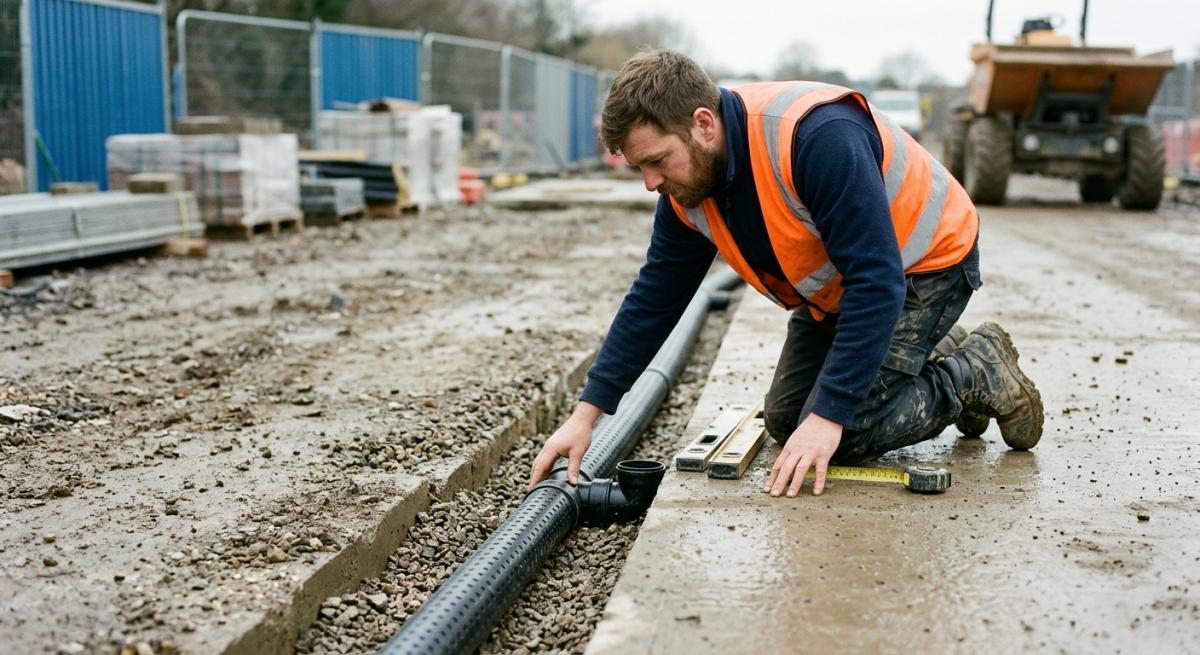
Logistical constraints often dictate the pace of work as massive attenuation tank segments await installation at a site undergoing stringent planning review.
Frequently Asked Questions around Attenuation Tanks
Do I always need planning permission for these underground storage systems?
Large installations often change the drainage profile of a site so significantly that local authorities view them as major engineering works requiring full approval. You might find that smaller residential projects slip under permitted development rights, but these large-scale tanks almost always demand a formal application because they alter how rainwater interacts with the ground.
How do local authorities decide if my drainage proposal is acceptable?
The council drainage team looks closely at your flood risk assessment to see how much water you intend to hold back during a heavy storm. They want proof that your tank release rate matches greenfield runoff levels, which means you need to demonstrate that the downstream system will not become overwhelmed during extreme weather.
Will the presence of underground utilities delay my installation project?
Finding main water pipes or high-voltage cables under your proposed excavation site happens more often than you would think, which creates significant headaches for the design team. You should request a detailed survey from the utility providers early in your planning, as hitting a service pipe will stop work immediately and add substantial costs to your final budget.
Can I install an attenuation tank beneath a car park or access road?
Installing these structures under paved areas is standard practice for modern developments, provided the tanks carry the correct structural rating for heavy vehicle loads. You must choose a modular system capable of supporting the weight of lorries, so check the technical specifications carefully to avoid the risk of surface subsidence or tank collapse later.
Should I worry about soil infiltration rates when planning the tank size?
The porosity of your ground dictates whether you can use a soakaway style system or if you need a sealed tank that discharges water at a controlled rate. If the soil contains too much clay, the water stays trapped in the ground, which makes it necessary to pump or throttle the flow into the public sewer network instead.
What are the ongoing maintenance requirements for a hidden tank?
You need to incorporate access shafts and silt traps into your original design so that technicians can clean out the debris that inevitably builds up over time. If you neglect these maintenance points, the tank fills with sediment and loses its storage capacity, which leaves your site vulnerable to flooding when the next big rainstorm hits.
Does the cost of an attenuation tank change depending on the material used?
Plastic crates often prove cheaper and faster to assemble than traditional concrete tanks, but they do require a high level of expertise during the bedding and backfilling stages. You might find concrete offers better structural longevity in specific heavy-load scenarios, so discuss the long-term trade-offs with your civil engineer before you commit to a specific manufacturer.
Who is responsible for the system once the project is finished?
The ownership details usually sit within your legal planning agreement, and they specify whether you, a management company, or the local water authority takes control. It pays to get these responsibilities settled in writing early on because the long-term liability for flood damage remains a significant concern for any property owner or site developer.
Ready to Discuss Your attenuation tanks Project?
Get in touch with our specialists today for detailed site guidance, technical specifications, and a quotation tailored to your requirements.