Managing a golf course requires constant attention to detail, especially when the British weather decides to throw everything it has at your greens. Many course owners find themselves dealing with the hidden consequences of intense rainfall or prolonged dry spells, which can quietly compromise the water retention capabilities of a golf course pond liner. This guide is designed to help you spot the early warning signs of degradation before they become a major headache for your grounds team. By breaking down the specific ways extreme weather impacts your infrastructure, we provide a clear roadmap for inspection and maintenance. Our goal is to ensure your water features remain functional and visually appealing, protecting your investment while keeping the course in top condition for your members regardless of what the climate decides to do next.
Maintaining a pristine pond on your course is a balancing act that relies heavily on the hidden technical layers beneath the surface. When severe storms pass through or high temperatures drain local water levels, the stresses applied to your materials shift significantly in ways that are often invisible to the casual observer. You might notice subtle changes in the surrounding turf or a persistent drop in water levels, which suggest that the containment barrier is struggling to cope with these environmental shifts.
Ignoring these early signs often leads to far greater frustration because a failing liner will eventually impact your irrigation strategy and the general aesthetics of the course. Members tend to notice when a pond loses its charm or clarity, which means your reputation for quality and care can suffer if you fail to act quickly. When water escapes through tiny tears or structural gaps, you face the double burden of higher utility costs and the headache of unexpected restorative work.
Our practical approach focuses on systematic observation and common-sense checks that allow you to identify issues before they escalate into expensive failures. We believe in providing you with the technical insight needed to manage your site effectively, so you can address small vulnerabilities during your regular maintenance cycles. By understanding how the elements interact with your specific materials, you gain the confidence to protect your water assets for the long-term.
KEY TAKEAWAYS
- Severe temperature shifts cause materials to expand and contract, which eventually leads to stress fractures or thinning in the sections of the liner exposed to direct sunlight.
- Intense rainfall events often create heavy soil saturation around the perimeter, which exerts significant pressure on the edges of the pond and can cause the liner to shift.
- Regular monitoring of water levels helps you distinguish between normal seasonal evaporation and a structural leak that requires your immediate attention to prevent further costly damage.
Table of Contents
- Visual signs of liner damage to look for
- How to conduct a professional leak detection survey
- When you should bring in expert help
- Steps to prevent future liner failure
- Frequently Asked Questions around Golf Course Pond Liner
Need Specialist Advice on golf course pond liner?
Speak to our technical team today for tailored specifications, regulations compliance, and practical support.
Visual signs of liner damage to look for
How to spot subtle changes at the water edge
When you walk around the perimeter of your course after a period of torrential rain, the first thing to observe is the waterline itself, especially if it seems to drop more rapidly than the surrounding ground conditions would suggest. You might notice the soil near the embankment looks unnervingly saturated or muddy in a way that suggests a slow seep rather than natural evaporation, which often indicates the water loss is occurring behind the face of the slope. If you see areas where the grass is thriving with unusual vigour compared to the rest of the green, it is worth investigating whether the water has breached the liner and is now nourishing the roots from below.
Signs of physical stress on the bank
Because the integrity of your containment system relies on a solid foundation, you should look for specific clues that the ground underneath has shifted or settled during the recent storms. Small slumps or ripples in the bank often act as a clear signal that the underlying geotextile protection has been compromised, so it helps to examine these areas while the light is still decent. If you notice any of these physical indicators, you know it is time to arrange a professional inspection before the damage worsens.
- Exposed sections of the liner where the soil cover has been washed away by heavy runoff.
- Odd pockets of trapped air that appear to bulge upwards underneath the liner material.
- Visible tears or jagged edges near the top of the embankment where debris might have caused a puncture.
- Faded or discoloured patches that look brittle or cracked when exposed to the direct sun.
Why small details matter for your course
In practice, a keen eye for these minor irregularities saves a significant amount of money because small tears can quickly escalate into major structural failures that disrupt your operations. You might compare this to how a savvy business owner checks their online reviews or monitors local postcode searches to stay ahead of the curve, as being proactive about your infrastructure prevents bigger headaches later on. If you notice the water level failing to recover after a dry spell, this is the most reliable hint that the liner integrity is not what it should be. Staying vigilant throughout the changing seasons means you can catch these issues at the earliest possible stage, which helps your maintenance team plan their repairs during quieter periods for the club. By keeping a sharp watch on the banks after every significant weather event, you preserve the natural beauty of your course while keeping your water management system in top working order.
| Liner Material | Impact Resistance | Weather Longevity | Ease of Repair |
|---|---|---|---|
| EPDM Rubber | High flexibility | Excellent | Simple patch kits |
| Reinforced Polyethylene | High strength | Good | Heat weld required |
| PVC Liner | Low resilience | Fair | Difficult |
How to conduct a professional leak detection survey
Electrical sensors for precise data
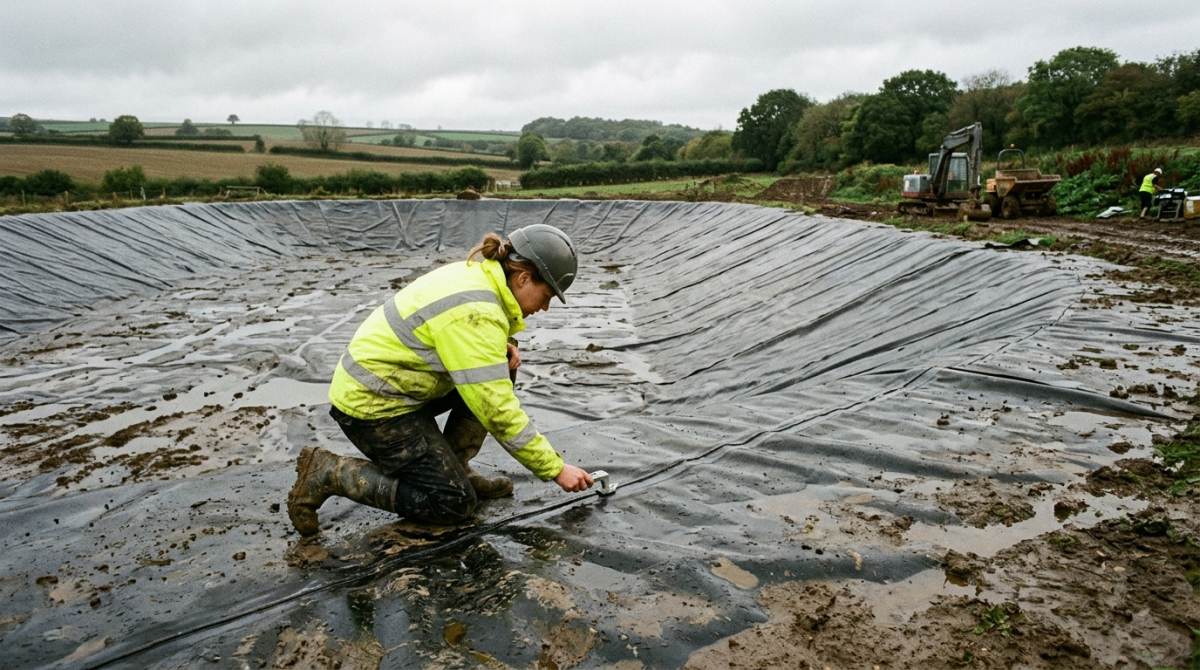
When you notice your water levels dropping faster than the local rainfall patterns suggest, the most effective approach involves using low-voltage electrical current to track potential breaches in your lining. Specialists deploy a sensitive probe across the surface, which sends a signal that highlights any pinhole or tear that might be hiding beneath the sediment. Because Catalogue Engineering has spent over three decades working on diverse water management projects, we know that these small fissures often remain invisible to the naked eye while causing significant loss over time. Much like checking how quickly your website loads on a mobile phone to identify a technical glitch, this method provides a clear, data-driven view of your liner integrity. You get a map of the exact locations that require repair, which avoids the need to drain the entire pond or disturb the surrounding turf unnecessarily.
Why professional verification makes a difference
Once you have identified these specific points, you need a team that understands how to integrate these findings into a permanent fix that withstands our unpredictable British weather. You might be tempted to patch these areas yourself, but specialist installers bring the right materials and expertise to guarantee the repair bonds perfectly with the existing membrane. Think of it like reading the latest reviews for a local shop, where you see how a consistent, professional response builds trust and lasting quality. If you attempt a quick fix without the correct pressure testing, you risk the same problem returning once the ground shifts again after the next heavy downpour. Working with experts ensures your pond remains a steady feature of the course, which protects your long-term investment in the landscape.
Simple steps after the survey concludes
After the team finishes the initial inspection, they will walk you through the results so that you understand exactly what the survey data represents for your site. You will receive a clear assessment of whether the liner requires a minor patch or a more focused intervention to prevent future issues. Since we have been in this industry for thirty years, we recommend that you keep a digital log of these survey results for your maintenance files, much like you would track the performance of your latest marketing campaigns. This preparation allows you to plan your maintenance budget effectively, as you will be dealing with known facts rather than guessing why the water levels continue to fluctuate. A proactive stance keeps your facilities in top condition for your members, which makes the whole process far less stressful when the weather turns for the worse.
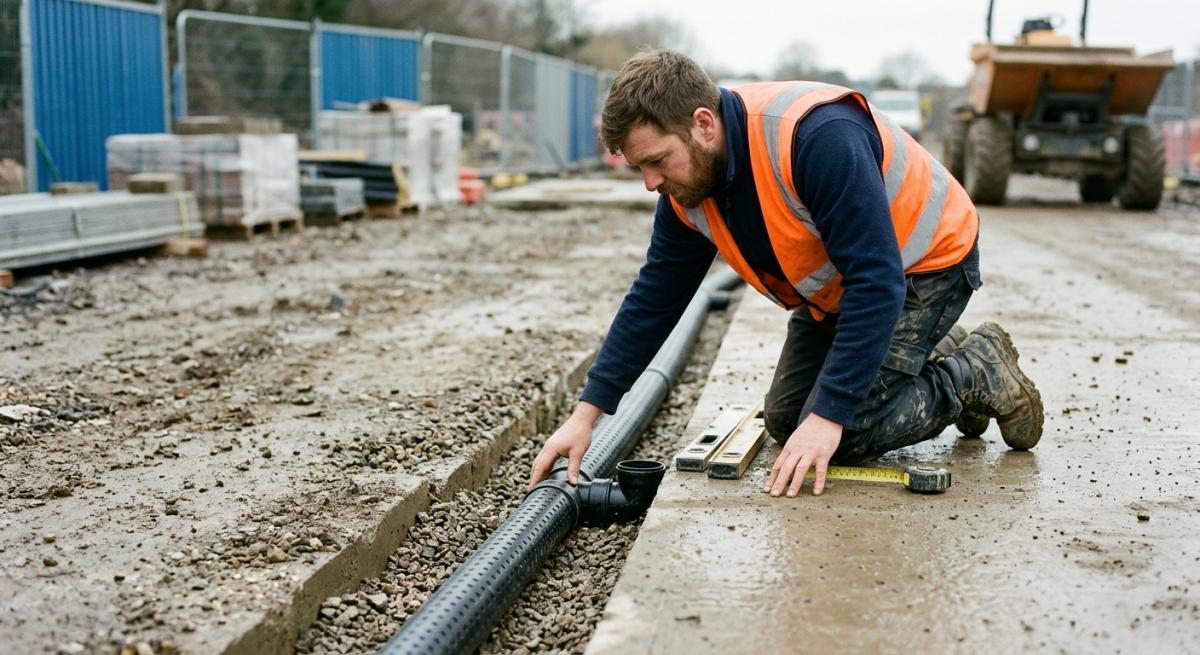
Specialists inspect a damaged synthetic pond liner after extreme weather conditions caused significant soil erosion.
When you should bring in expert help
Recognising the signs of deeper trouble
You might be tempted to handle minor water loss yourself, but extreme weather often hides damage beneath the surface where a quick visual check cannot reach. When the water level in your pond drops faster than the local evaporation rate suggests, it points to a tear or a failed seam that needs immediate professional attention. These issues are often tucked away under heavy silt or overgrown bank vegetation, which means that waiting for a dry spell to find the leak could allow significant sub-soil erosion to set in. Because catalogue engineering systems rely on precise hydrostatic pressure, a small hidden puncture can quickly turn into a expensive ground failure if the underlying liner integrity remains compromised for too long.
Identifying when to call the professionals
You should pick up the phone to contact qualified repair contractors if you observe any of the following patterns during your site walkthroughs.
- You spot unexplained bubbling or heaving in the ground adjacent to the water edge, which suggests that water is escaping the liner and pressurising the soil beneath your feet.
- The perimeter of your pond shows signs of slumping or unusual cracking that does not align with your standard maintenance schedule or previous site history.
- Your local water management systems show a sudden, unexplainable change in flow or pump activity that indicates the liner has lost its ability to hold a sealed volume of water.
If you find yourself staring at these symptoms, the safest course of action is to bring in specialists who carry the right equipment to trace leaks without draining the entire feature. Experienced eyes can differentiate between simple surface runoff issues and structural failures that require expert patch kits or heat-welded seam repairs. It is far better to have a specialist verify the liner condition while the problem stays contained, rather than facing the high cost of a full slope failure later in the season.
Working with specialists who understand site constraints
Choosing the right partner means finding a team that understands how your specific pond was installed over thirty years ago. Many contractors work with generic solutions, but true experts know that modern water management systems require an intimate knowledge of how different materials react to UK weather patterns over decades. When you invite an experienced team to your course, they should provide a clear assessment that identifies the exact location of the damage without causing extra disturbance to the surrounding turf or aesthetic features. By focusing on targeted repairs, you save on the disruption that usually follows large-scale remedial work, and you gain the peace of mind that comes from knowing your water containment is fully secure again.
Steps to prevent future liner failure
How to build a defensive edge for your water features
When you consider the unpredictable shifts in our weather patterns, it becomes clear that waiting for a visible leak is a strategy that costs more in the long run. Most golf course managers I work with find that a small adjustment in their routine saves a massive headache during the winter months. Instead of reacting to damage after a storm, you should look at the perimeter stability and the structural health of the banks. Because water levels fluctuate so drastically, you need to verify that your current material is still anchored firmly against the clay or soil subsurface. If the ground has shifted, the liner often undergoes unnecessary tension, which eventually leads to small tears that remain hidden until the water level drops unexpectedly.
Where to look for hidden structural weaknesses
You might think the centre of the pond is the most vulnerable point, but the edges are where the real problems usually develop during a wet season. I always suggest walking the perimeter after a heavy downpour because this is the moment when bank erosion shows its true colours. You can look for areas where the soil has slumped, as this movement puts a direct strain on the liner’s anchoring points. At Catalogue Engineering, we often find that simple vegetation management makes a world of difference because aggressive root systems can work their way underneath the seams. If you keep the surrounding turf tidy and check for standing water near the banks, you spot these early warning signs before they escalate into full-scale repairs.
Why professional oversight protects the course assets
In my thirty years of experience, the most successful golf courses are those that treat pond longevity as part of their broader site infrastructure. It helps to integrate your pond inspection schedule with your routine gas barrier systems checks, especially if your course is built on reclaimed land. This approach makes your maintenance logs much easier to manage, which means you have a clear paper trail for any future insurance or environmental audits. When you take this approach, you stop thinking of the pond as a static feature and start managing it as a dynamic piece of engineering. Just as you would monitor the performance of your local irrigation system or the speed of your greens, keeping a consistent eye on the liner prevents the kind of catastrophic failure that ruins a season. This level of attention keeps the water where it belongs, so that your members continue to enjoy the course without any unsightly interruptions to their game.
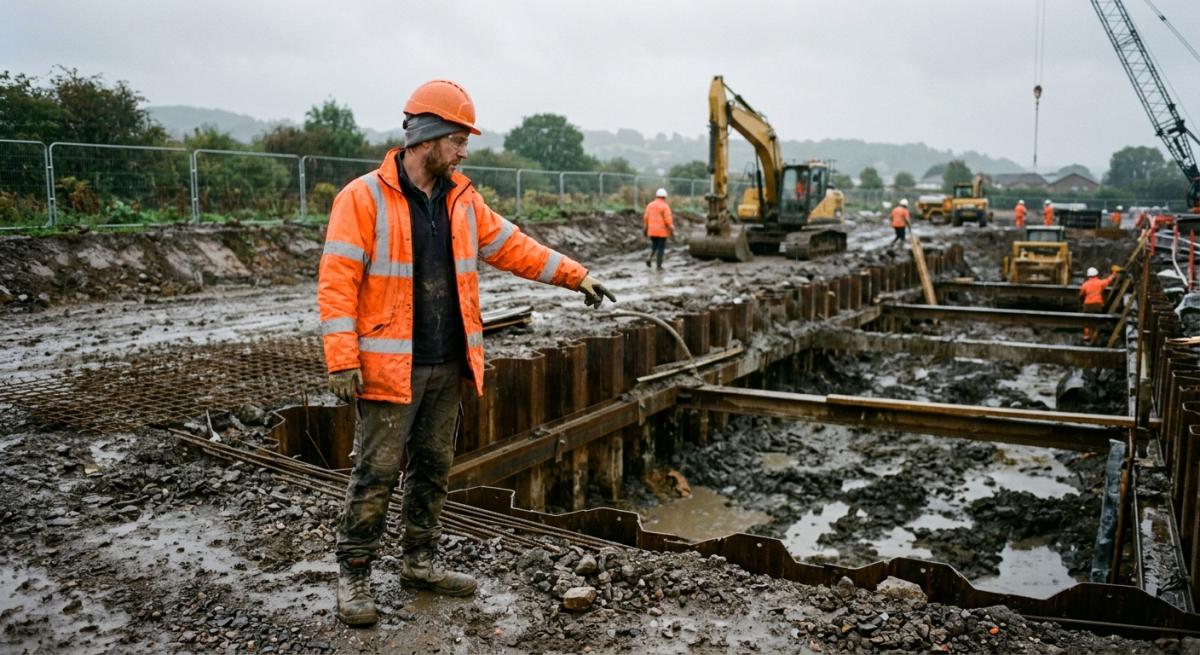
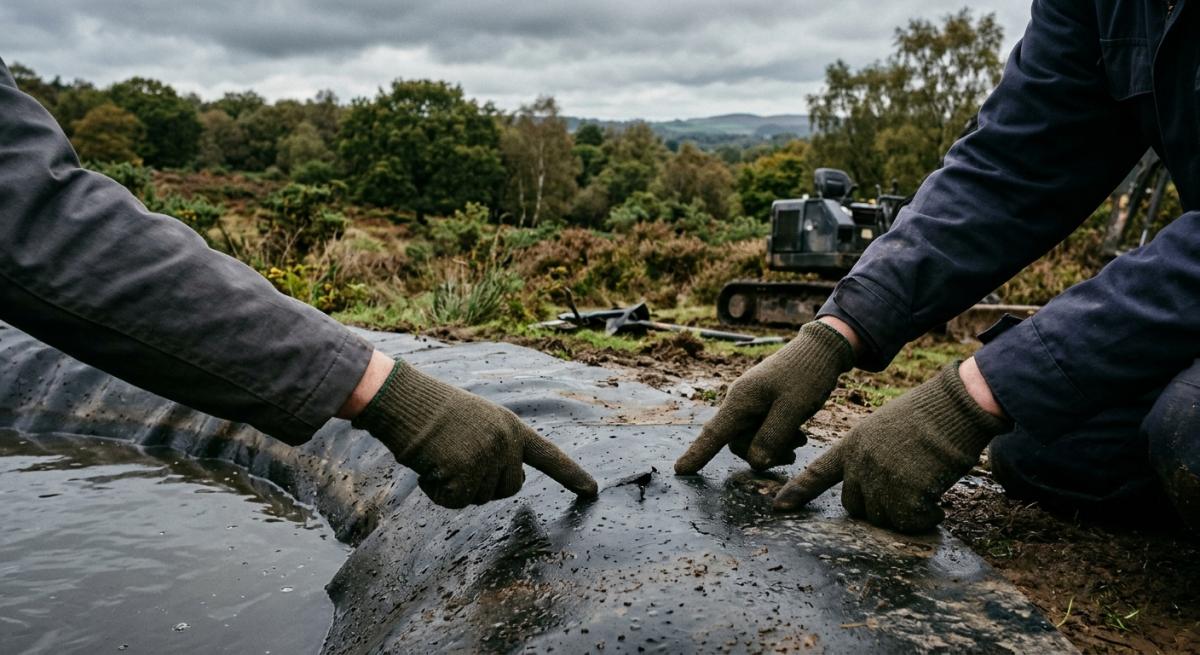
Identifying structural compromise: a precise inspection reveals a puncture in the pond liner after recent storm cycles.
Frequently Asked Questions around Golf Course Pond Liner
How can I spot potential damage after a heavy storm?
You should walk the perimeter of the water hazard to look for areas where the soil has eroded or slumped away from the edge of the pond. This movement often puts unnecessary tension on the golf course pond liner, which creates small tears or gaps that lead to significant water loss over time.
Why does the water level drop faster than usual after rain?
It is easy to assume that evaporation is the main culprit, but a sudden drop often points to a breach in the membrane caused by debris hitting the surface. High winds frequently blow large branches into the water, and these sharp objects puncture the material, so you should check the edges carefully for any visible rips.
Can small animal activity affect the durability of the installation?
Rabbits and badgers often burrow into the banks of water features during periods of heavy saturation, which can easily displace the protective layers covering your liner. Once the protective cover shifts, the material underneath becomes vulnerable to claws or roots, so you should repair these burrows immediately to prevent more extensive damage.
Should I hire a professional for a leak detection survey?
Professional teams use specialist acoustic equipment or dye testing methods to pinpoint precise locations of a leak without needing to drain the entire pond. This approach is much more efficient than guessing where the problem lies, which saves you money on unnecessary repairs and helps you address the issue before it gets worse.
Will heavy silt build-up hide cracks in the pond floor?
Excessive sediment settles at the bottom of your water feature over time, and this layer acts like a blanket that hides potential ruptures in the material. If you notice the water levels fluctuating wildly, it might be worth dredging the base to see if the liner has failed beneath the layer of debris.
How much should I budget for an emergency repair?
Most minor patches or seam repairs for a golf course pond liner cost between 500 and 1500 pounds depending on the complexity of the site access. You should keep a small contingency fund ready because weather events are unpredictable, and acting quickly usually prevents the damage from spreading and becoming a much costlier project.
Can I patch the material myself if the hole is small?
A simple rubber patch kit works perfectly for tiny pinpricks or minor seams if you have the right adhesive and follow the manufacturer instructions closely. You must ensure the surface is completely dry and free from algae, which helps the adhesive bond properly so the repair holds firm against the water pressure.
Does the age of the installation influence the risk of failure?
Materials installed more than 20 years ago might become brittle or stiff, which means they lose the flexibility needed to withstand extreme weather shifts. If your pond is reaching this age, you should start planning for a full replacement so that you avoid a sudden and catastrophic loss of water during the peak season.
Ready to Discuss Your golf course pond liner Project?
Get in touch with our specialists today for detailed site guidance, technical specifications, and a quotation tailored to your requirements.