Managing water features across a modern course requires constant attention, particularly when preventing unsightly stagnation and stubborn green buildup. Synthetic golf course pond liner installations create an impermeable barrier that keeps water contained, yet this very design prevents natural drainage and soil interaction. When combined with organic nutrient runoff from surrounding fairways, static conditions quickly fuel rapid algae blooms. In this comprehensive guide, we examine the underlying causes of poor water quality, exploring how temperature stratification and trapped organic matter compromise your features. We then outline proven management techniques, focusing on efficient water circulation methods, biological controls, and robust maintenance protocols that protect your water assets for the long-term. Drawing upon 30 years of specialist installation experience, Catalogue Engineering provides practical insights to help greenkeepers maintain crystal clear water features that enhance both playability and site aesthetics throughout the year.
Lined golf course ponds frequently suffer from poor water circulation and rapid organic buildup that spoil their natural appearance. Without natural ground absorption, stagnant water traps excess nitrates and phosphates that enter the feature through routine nutrient runoff from adjacent turf.
This persistent imbalance leads to aggressive algae blooms that cause foul odours and choke off essential aeration systems. Left unmanaged, course managers face skyrocketing maintenance bills, ruined landscape aesthetics, and severe operational frustration during peak playing months.
Implementing targeted water circulation systems alongside proactive nutrient management resolves these underlying imbalances cleanly and sustainably. Combining intelligent design with regular maintenance protocols ensures your golf course pond liner remains an attractive, trouble-free asset for many years to come.
KEY TAKEAWAYS
- Synthetic liners isolate water bodies, making artificial aeration essential to prevent stagnation and thermocline stratification.
- Excess fertiliser runoff introduces high nutrient loads that trigger rapid algal growth in uncirculated, warm surface water.
- Combining effective bottom-diffused aeration with proactive bio-filtration keeps water clear without damaging the underlying liner.
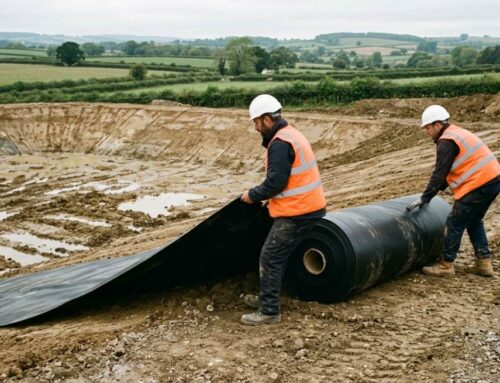
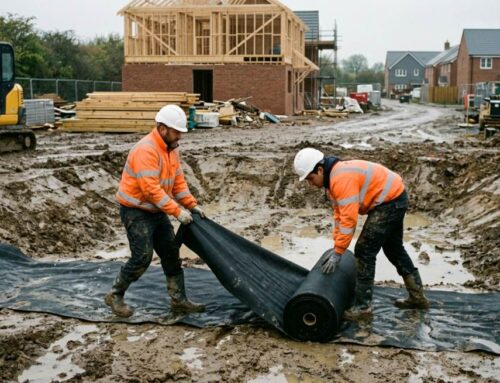
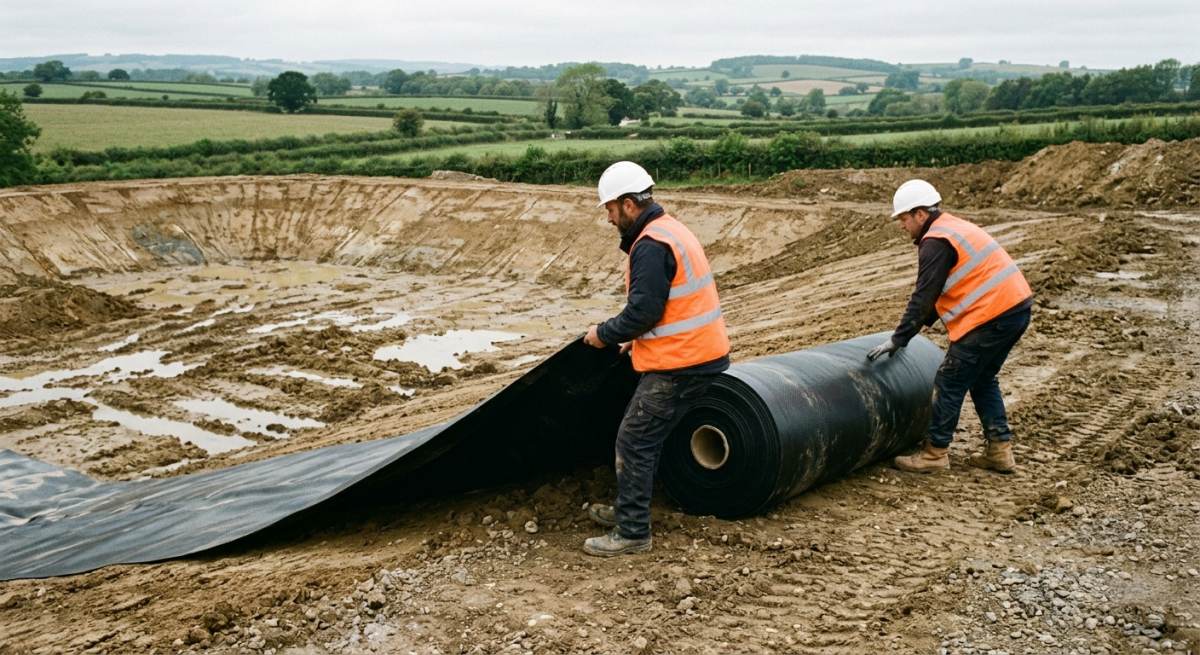
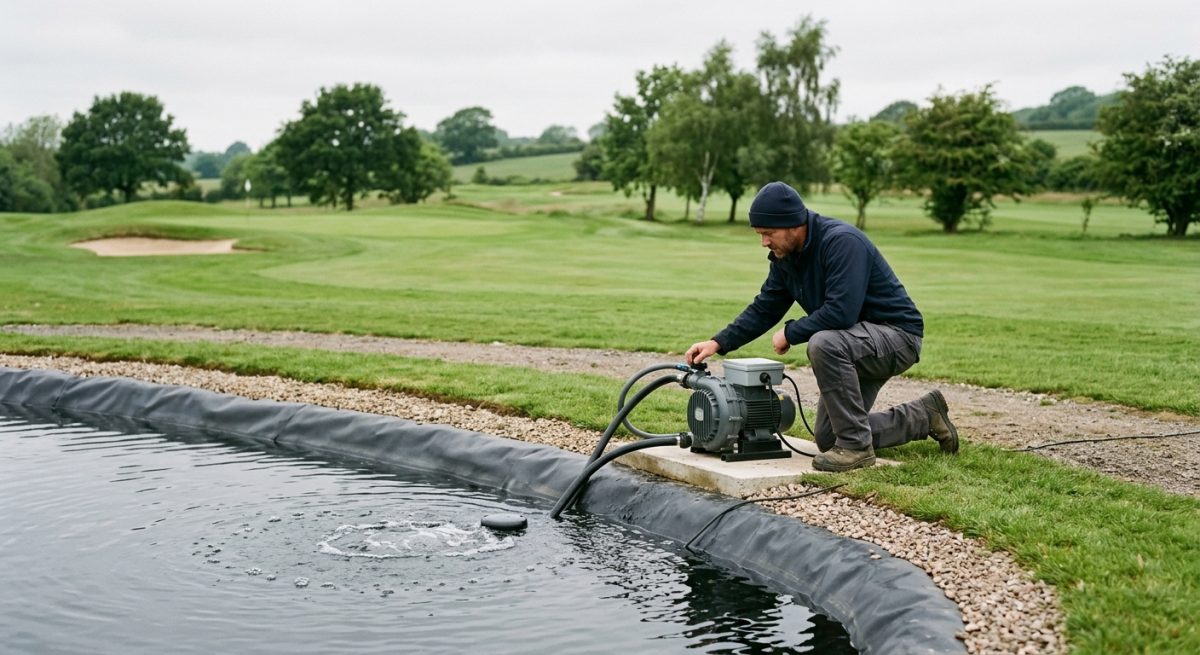
Groundskeepers secure a high-density liner to prevent water seepage and control algae in a course pond.
Table of Contents
- How the right pond liner material helps prevent water issues
- Designing proper circulation systems over synthetic liners
- Managing nutrient runoff from fairways and greens
- Routine liner maintenance and cleaning without causing damage
- Frequently Asked Questions around Golf Course Pond Liner
Need specialist advice on golf course pond liner?
Speak to our technical team today for tailored specifications, regulatory compliance, and practical support.
How the right pond liner material helps prevent water issues
Selecting the correct lining material is the single most effective decision greenkeepers can make to ensure long-term water clarity and pond health. When you specify a high-performance geomembrane, you create an impermeable barrier that keeps nutrients contained and stops stagnant water conditions from taking hold across your course.
Smooth geomembranes prevent organic buildup.
Choosing a smooth surface liner stops debris from clinging to the base of your water feature and rotting down into nutrient-rich sludge. This non-porous finish prevents unwanted detritus from finding a foothold, making routine maintenance far simpler for your groundstaff.
When organic waste cannot settle into rough crevices, you naturally limit the nutrient load that feeds unsightly blooms. A low-friction surface allows natural water movement to push sediment toward your extraction points, keeping the water column clear without constant chemical treatments. To get the best results from a smooth surface liner, follow this straightforward upkeep approach:
- Monitor intake zones weekly to clear loose debris gathered by the current.
- Flush low-flow channels monthly to maintain steady movement across the base.
- Inspect edge anchor trenches annually to ensure the membrane remains taut and flat.
Flexible EPDM membranes adapt to complex bed layouts
An EPDM membrane offers exceptional flexibility, allowing it to contour perfectly around intricate pond bases without creating loose folds or deep pockets. These deep folds are often primary culprits for water stagnation, as they trap still water and collect decaying vegetation.
By eliminating trapped pockets of water, you ensure that continuous aeration reaches every square metre of the pond. This steady flow deters anaerobic bacteria, which thrive in oxygen-deprived corners and release foul odours across the fairway. Specialist installers with over 30 years of experience generally recommend EPDM for irregularly shaped hazards because it maintains its structural integrity through seasonal ground movement, delivering a durable solution for your course.
Robust HDPE liners resist aggressive biological growth
A high-density HDPE liner provides an exceptionally tough physical barrier that completely blocks root penetration and resists persistent biofilm accumulation. This extreme durability ensures that your pond perimeter stays clean, preventing micro-environments where stagnant scum traditionally thrives.
Because HDPE features near-zero permeability, it prevents nutrient-laden groundwater from leaching into your contained water features. Keeping outside agricultural runoff away from your main holding ponds protects your irrigation supply from sudden phosphate spikes. Over a long service life, this rugged material reduces the need for aggressive mechanical dredging, preserving the natural aesthetic of your landscape while keeping operational costs well under control.
| Management Approach | Liner Compatibility | Primary Operational Benefit | Key Greenkeeping Consideration | Best Suited For |
|---|---|---|---|---|
| Subsurface Diffused Aeration | Excellent for all flexible membrane liners when weighted tubing is used | Increases dissolved oxygen levels from the bottom up to disrupt thermal stratification | Self sinking air lines must be positioned carefully to avoid snagging during maintenance | Deep irrigation hazards and main water features requiring continuous year round circulation |
| Floating Surface Aerators | Safe for all liner materials as equipment remains suspended at the surface | Combines aggressive surface agitation with an attractive visual fountain effect | Mooring lines must be securely anchored outside the liner perimeter to prevent punctures | Shallow ponds near the clubhouse where both water clarity and visual appeal are priorities |
| Aquatic Eco Dyes and Shades | Completely inert and safe for EPDM butyl and HDPE pond liners | Blocks specific light wavelengths to natural photosynthesising algae growth | Requires regular top ups after heavy rainfall or significant irrigation drawdown | High light exposure ponds prone to rapid blanket weed blooms in late spring |
| Microbial Water Treatments | 100 percent compatible with zero risk of chemical degradation to synthetic liners | Consumes excess nitrogen and phosphorus before organic sludge can build up on the liner base | Requires water temperatures above 10 degrees Celsius for beneficial bacteria to remain active | Established water features with heavy organic loading from leaf litter and turf runoff |
Designing proper circulation systems over synthetic liners
Proper circulation is the most effective way to prevent thermal stratification and stop unsightly algae taking over your water features. When you are working with synthetic liners, installing a reliable aeration system requires a carefully considered approach to protect the membrane beneath.
Selecting the right aeration system for lined basins
Choosing between diffused air systems and surface aerators comes down to the depth and layout of your pond. Diffused aeration is generally the most efficient choice for deep water because it moves large volumes of water without creating high-velocity turbulence that might scour the basin floor.
- Opt for bottom-mounted diffuser assemblies in water deeper than 2 metres to push low-oxygen water to the surface.
- Position surface aerators in shallow bays where stagnant pockets tend to collect organic debris.
- Ensure the system creates a gentle turn-over rate that keeps the entire water column balanced throughout the day.
Protecting synthetic membranes during equipment installation
Installing heavy circulation hardware directly onto exposed liners poses a serious risk of punctures and long-term structural wear. You can easily safeguard your investment by placing custom liner protection pads beneath every diffuser baseplate and anchor point.
- Lay down high-density geotextile liner protection pads over the target area before lowering any heavy equipment into the water.
- Use self-weighted diffuser bases designed with rounded, non-abrasive edges to prevent sharp corners digging into the membrane.
- Secure all hardware with stainless-steel tether lines attached to bankside anchors rather than dropping heavy concrete blocks directly onto the bed.
Routing weighted tubing to maintain uninterrupted flow
Running air lines across the bottom of a lined pond requires specialised materials that stay in place without damaging the synthetic barrier. Standard hose tends to float or kink, whereas heavy-duty weighted tubing sinks naturally and remains stable during operation.
- Measure the run from your onshore compressor housing to each diffuser point, adding 10% extra length to allow for natural bed contours.
- Uncoil the weighted tubing along the bank to relieve coil memory before placing it carefully into the water.
- Sink the line directly onto the bed, ensuring it rests smoothly on top of your liner protection pads without creating tension at the connections.
By pairing well-designed submersible aerators with proper protective measures, you can maintain excellent water quality and extend the operational life of your storage ponds for many years to come.
Managing nutrient runoff from fairways and greens
Controlling what enters your water features is the single most effective way to protect lined ponds from suffocating algal blooms. When heavy rainfall sweeps across intensely managed turf, it carries high concentrations of nitrates and phosphates directly into your water storage facilities.
Establishing natural buffer zones
Creating vegetated margins around your pond perimeter acts as a physical filter to trap chemical compounds before they reach the water. These soft-landscaping borders absorb excess fertiliser runoff while stabilising the surrounding soil to prevent bank erosion.
To build an effective vegetated boundary that fits into your course maintenance routine, focus on 3 core actions:
- Plant native, deep-rooted marginal species like common reed and iris around the high-water line.
- Maintain an unsprayed turf collar at least 3 metres wide around the entire pond edge.
- Raise the height of cut on fairway approaches near the water to slow down surface flow during heavy rain.
By letting these planted borders mature, you reduce the direct intake of active compounds without disrupting play or compromising the aesthetics of the course.
Fine-tuning application routines
Precision feeding keeps fairways lush while dramatically reducing the amount of nutrient wash-off entering the drainage system. Adjusting your application calendar around local weather forecasts ensures the turf absorbs maximum nutrients before rain events occur.
Greenkeepers can safeguard lined water features by modernising their day-to-day feeding strategy:
- Switch to slow-release granular products or light liquid feeds that bind tightly to the root zone.
- Utilise soil-testing kits to target specific turf deficiencies rather than applying broad-spectrum mixtures.
- Avoid applying synthetic compounds within 48 hours of predicted heavy rainfall to stop instant wash-off.
Adopting a targeted approach stops nitrates and phosphates from collecting in lined basins, preventing the nutrient-rich conditions that trigger rapid algae growth.
Installing subsurface drainage paths
Directing surface drainage through underground filtration channels intercepts heavy compound loads before they hit open water. Combining pipe networks with gravel-filled trenches allows soil micro-organisms to break down chemistry naturally.
Modern lined ponds benefit enormously from engineered inlet controls. Installing simple diversion valves allows greenkeepers to bypass the main pond during the first flush of heavy rainfall, routing the most concentrated surface wash away from delicate aquatic environments. Integrating these structural solutions with Catalogue Engineering water management solutions gives greenkeeping teams complete control over water quality, preserving clarity and protecting long-term lined assets across the entire course.
Routine liner maintenance and cleaning without causing damage
Maintaining a pristine water feature requires a gentle touch and a disciplined approach to scheduled maintenance. A damaged flexible geomembrane can quickly turn a manageable management task into an expensive structural repair, making safe cleaning methods an absolute priority for greenskeepers.
Conducting safe liner inspection protocols
Regular visual checks allow greenkeeping teams to spot structural issues before algae can take hold in small surface tears. Undertaking a thorough liner inspection every 3 months ensures you catch stress fractures, displaced ballast, and organic buildup early without disturbing the underlying substrate.
To carry out a safe assessment without causing accidental punctures, follow this 3-step monitoring process:
- Lower the water level slightly during off-peak periods to expose the upper perimeter lining.
- Walk the margins using soft-soled footwear, avoiding sharp tools or heavy machinery near the delicate edge seals.
- Record any signs of mechanical stress, root intrusion, or thinning materials for immediate patch repairs.
By catching minor wear early, you protect the pond membrane while maintaining an attractive water feature.
Implementing chemical-free sludge removal
Removing organic debris prevents excess nutrient buildup while keeping the protective geomembrane entirely intact. Using long-handled plastic scoops or specialised vacuum systems allows teams to clear settled organic matter without scraping or puncturing the synthetic barrier.
Decaying leaves and grass clippings rapidly break down into a nutrient-rich bottom layer, acting as direct fuel for stubborn green blooms. Pushing heavy metal rakes or sharp draglines across the pond bed can easily slice through synthetic materials, leading to catastrophic leaks. Instead, deploy continuous suction units fitted with rubberised nozzles. These specialised tools lift soft debris gently, preserving the underlying substrate and keeping the water clear throughout the playing season.
Selecting aquatic safe cleaners for spot treatments
Eco-friendly treatments target stubborn bio-films directly without harming local wildlife or weakening the pond lining. Applying certified aquatic safe cleaners helps break down tough organic deposits without introducing harsh chemicals that degrade synthetic materials over time.
Standard industrial detergents often contain aggressive solvents that make geomembranes brittle, leading to premature cracking under direct sunlight. Specialist bio-based formulas utilise natural enzymes and peroxide compounds to lift stubborn debris. These solutions break down rapidly into harmless water and oxygen, leaving no toxic residue behind. When stubborn spots persist along the high-water line, spot-treat the area using soft-bristled brushes. This gentle scrubbing action lifts discolouration easily while keeping the structural material completely secure.
Partnering with specialist water management contractors
Complex lining systems demand professional expertise to ensure long-term structural integrity and optimum performance. Working with experienced teams like Catalogue Engineering gives golf course managers access to over 30 years of hands-on installation and maintenance experience.
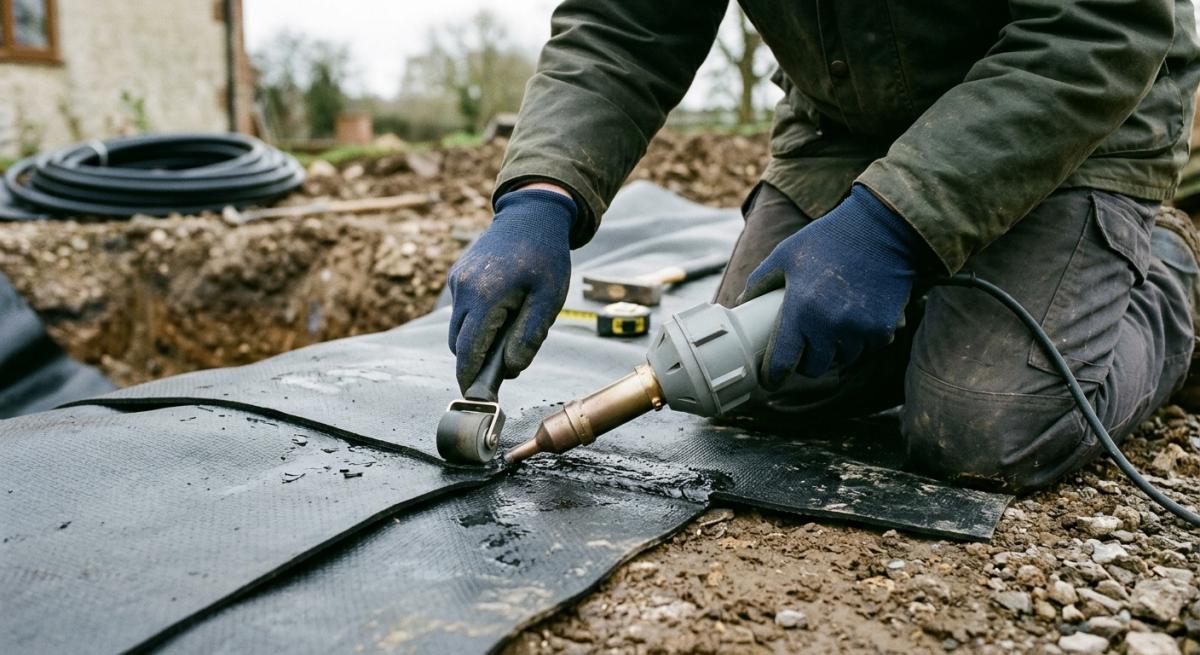
Professional technicians bring specialised diagnostic gear, such as electronic leak detection tools, to identify hidden failures beneath deep water layers. They assess seam strength, repair stress tears using hot-wedge welding, and advise on optimal aeration setups to prevent stagnation. Leveraging this level of technical knowledge extends the operational life of your water management assets, keeping your fairways looking flawless year after year.
Frequently Asked Questions around Golf Course Pond Liner
How Does a Quality Pond Liner Help Prevent Algae Growth?
A high-quality liner prevents nutrients and organic matter from leaching into the water from the surrounding soil, which effectively starves algae of its primary food source. By creating a clean, impermeable barrier, the liner stops unwanted debris from settling into soft mud at the bottom where it would otherwise decompose and release harmful nitrates.
This stable underwater environment makes it much easier to maintain proper circulation and keep the water clear throughout the season. When you pair a good lining system with simple aeration, you cut off the main biological pathways that cause unsightly green blooms in the first place.
What Is the Best Material for a Golf Course Pond Liner?
EPDM rubber and high-density polyethylene, known as HDPE, are generally considered the best options for modern golf course feature ponds. EPDM is exceptionally flexible and easy to mould around intricate green contours, whilst HDPE offers superior chemical resistance and outstanding durability against root penetration.
Selecting between them usually comes down to the specific shape of your water feature and your local ground conditions. Both materials provide long-lasting protection against leaks, which is essential for keeping water levels stable and stopping stagnation.
Can a Damaged Liner Cause Water to Stagnate Quickly?
Yes, a torn or degrading liner allows water to seep away into the subsoil, which drops the overall water volume and slows down natural movement. As the water level drops, the remaining volume warms up much faster in the sun, creating the perfect warm conditions for stagnant bacteria and algae to thrive.
Fixing minor tears promptly ensures your pump equipment functions efficiently and keeps the water moving as intended. Maintaining a consistent water depth is one of the simplest ways to prevent foul odours and maintain clear water across your course.
How Deep Should a Lined Water Feature Be to Stop Algae?
A depth of at least 2 metres is ideal for most golf course ponds because it keeps the lower layers of water cooler and restricts sunlight reaching the bed. Algae requires both warm temperatures and strong light to photosynthesise, so deeper water naturally slows down its growth rate.
If your liner is installed over a shallow base, you will likely need extra mechanical aeration to achieve the same clarity. Designing a varied depth profile with a secure liner ensures better overall water circulation and healthier aquatic life.
How Long Does a Commercial Pond Liner Typically Last?
A professionally installed EPDM or HDPE liner can easily last for 20 to 30 years with basic routine care. Modern materials are treated to withstand harsh UV rays and constant exposure to changing weather, so they will not degrade quickly under the British sun.
To get the longest lifespan out of your investment, keep sharp debris out of the basin and inspect the exposed edges annually. Protecting the liner perimeter with smooth stones or appropriate turf prevents accidental damage from greenkeeping machinery.
Does Aeration Damage the Underlying Pond Liner?
No, modern bottom diffused aeration systems and surface fountains are completely safe to use with flexible liners when installed correctly. Aeration disc assemblies are designed with smooth, rounded bases that sit gently on the bottom without causing friction or punctures.
In fact, keeping the water well oxygenated actively protects your liner by preventing anaerobic sludge from building up on the membrane. Just take care when dropping weighted air lines into the water during initial installation.
How Do You Protect the Liner Edge from Lawn Mowers and strimmers?
The most reliable approach is to build a stone coping edge or install a dedicated soil shelf that covers the top section of the liner. This creates a clear physical barrier so greenkeepers can trim the surrounding turf without bringing sharp blades near the membrane.
Anchored edge anchoring ditch filled with smooth gravel also keeps the material neatly concealed while preventing turf overgrowth. Taking time to bury the edges safely ensures your maintenance team can work quickly without risking an expensive tear.
Can You Treat Algae Chemically Without Degrading the Liner?
Yes, standard aquatic dyes, barley straw extracts, and approved algaecides are completely safe for use with EPDM and HDPE liners. These compounds target the biological growth in the water column without weakening or discolouring the synthetic lining material.
Always apply treatments according to the manufacturer guidance to avoid harming fish or surrounding plants. Using aquatic dyes early in the spring is particularly effective, as it blocks sunlight from reaching the pond floor without affecting your liner at all.
Why Is Sludge Accumulation Bad for a Lined Pond?
Sludge consists of decaying grass clippings, leaves, and organic waste that sinks to the bottom and forms a nutrient-rich layer. Even with a brand new liner in place, a heavy layer of sludge will release phosphorus into the water, triggering rapid algae growth and unpleasant smells.
Skimming fallen leaves in autumn and using beneficial bacterial treatments helps break down this organic layer naturally. Keeping the liner surface relatively clean ensures your water feature remains an attractive hazard rather than a maintenance headache.
What Is the Cost Range for Replacing a Golf Course Pond Liner?
Replacing a commercial liner generally costs between £15 and £35 per square metre, including ground preparation and professional fitting. The final price tag depends on the accessibility of the site, the thickness of the material chosen, and any specialised edge detailing required.
While it represents a significant upfront outlay, a well-fitted liner prevents costly water loss and reduces your ongoing chemical treatment expenses for decades. Investing in quality installation from the start is much cheaper than dealing with frequent leaks and stagnant water issues down the line.
Ready to Discuss Your golf course pond liner Project?
Get in touch with our specialists today for detailed site guidance, technical specifications, and a quotation tailored to your requirements.