Introduction: Why Industrial Projects Require Specialist Solutions
When it comes to large-scale water management, the stakes are significantly higher than a standard domestic project. Whether you are managing a commercial reservoir, an agricultural slurry lagoon, or a complex attenuation system for a new housing development, the containment solution is the foundation of your project’s success.
In the UK, industrial pond liners, often referred to as geomembranes, are the primary line of defence against water loss and environmental contamination. Unlike thin, garden-grade liners, industrial-grade materials are designed to withstand massive hydrostatic pressure, UV exposure, and chemical interactions. At Catalogue Engineering, with over 35 years of experience, we’ve seen firsthand how the right choice of material and professional installation can be the difference between a lifetime of service and a costly environmental failure.
Choosing the Right Industrial Geomembrane
Navigating the world of heavy-duty pond liners requires an understanding of the specific polymers used in their construction. In the industrial sector, we primarily work with three core materials: HDPE, LLDPE, and EPDM.
HDPE (High-Density Polyethylene)
HDPE is the “gold standard” for industrial applications. It is exceptionally rigid and offers the best chemical resistance of any flexible geomembrane.
- Best For – Wastewater treatment plants, hazardous waste containment, and large-scale reservoirs.
- Why It Works – It is highly resistant to UV radiation and can be easily welded on-site to create a seamless, impenetrable barrier over vast areas.
EPDM (Ethylene Propylene Diene Monomer)
Often referred to simply as a rubber pond liner, EPDM is a highly flexible synthetic rubber. It is a favourite for large pond liners where the ground might be prone to slight movement or settling.
- Best For – Commercial lakes, fire water tanks, and golf course water hazards.
- Why It Works – It stays flexible even in freezing temperatures (perfect for the British climate) and has incredible “elongation” properties, meaning it can stretch without tearing.
GCL (Geosynthetic Clay Liners)
For projects requiring an eco-friendly pond liner solution, GCL is an innovative choice. These consist of a layer of bentonite clay sandwiched between layers of geotextile.
- Best For – Landfill caps, canal linings, and environmentally sensitive attenuation ponds.
- Why It Works – When the bentonite becomes wet, it swells to form a natural, self-sealing waterproof barrier.
Common Industrial Applications in the UK
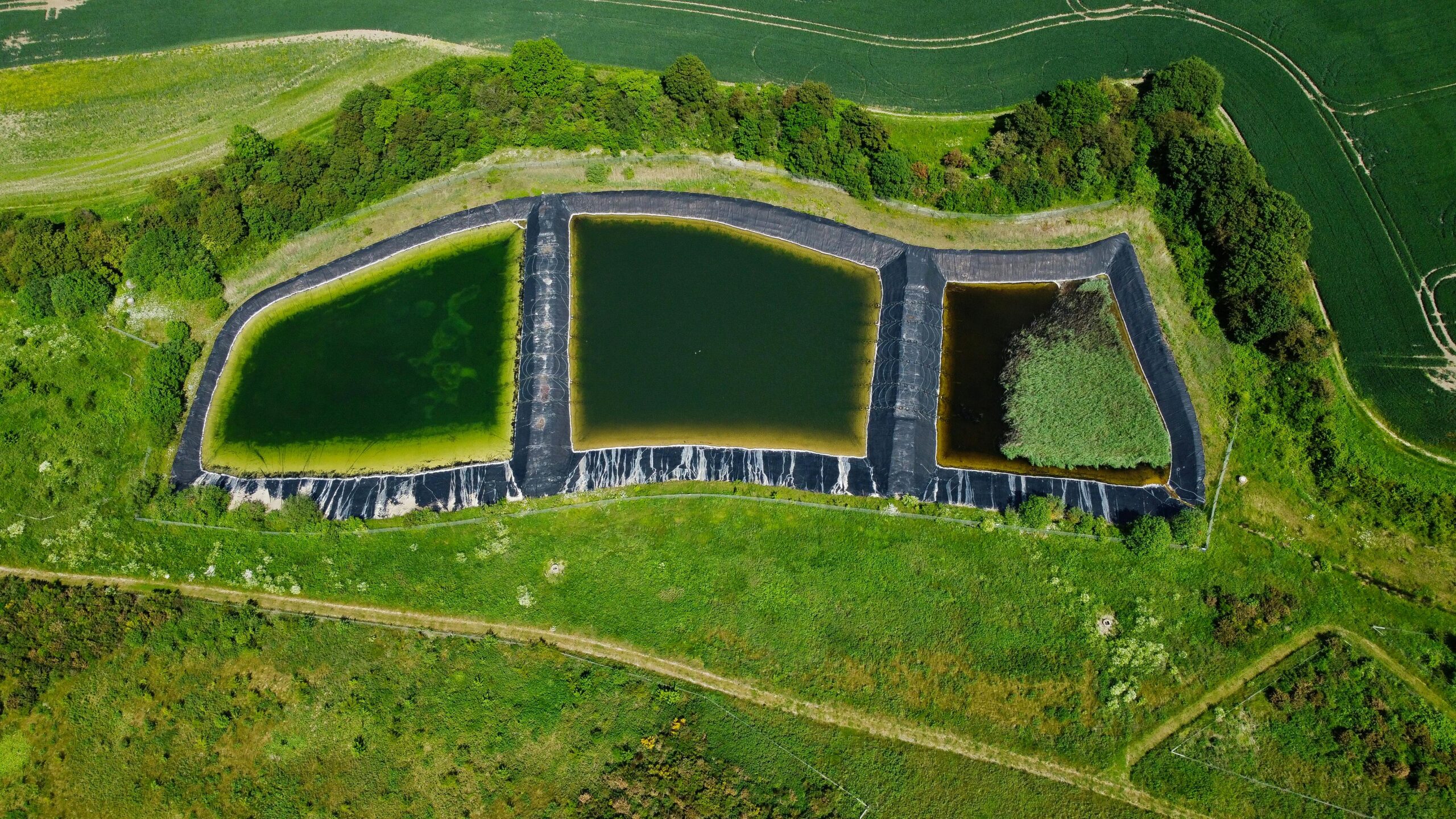
1. Agricultural Slurry and Irrigation Lagoons
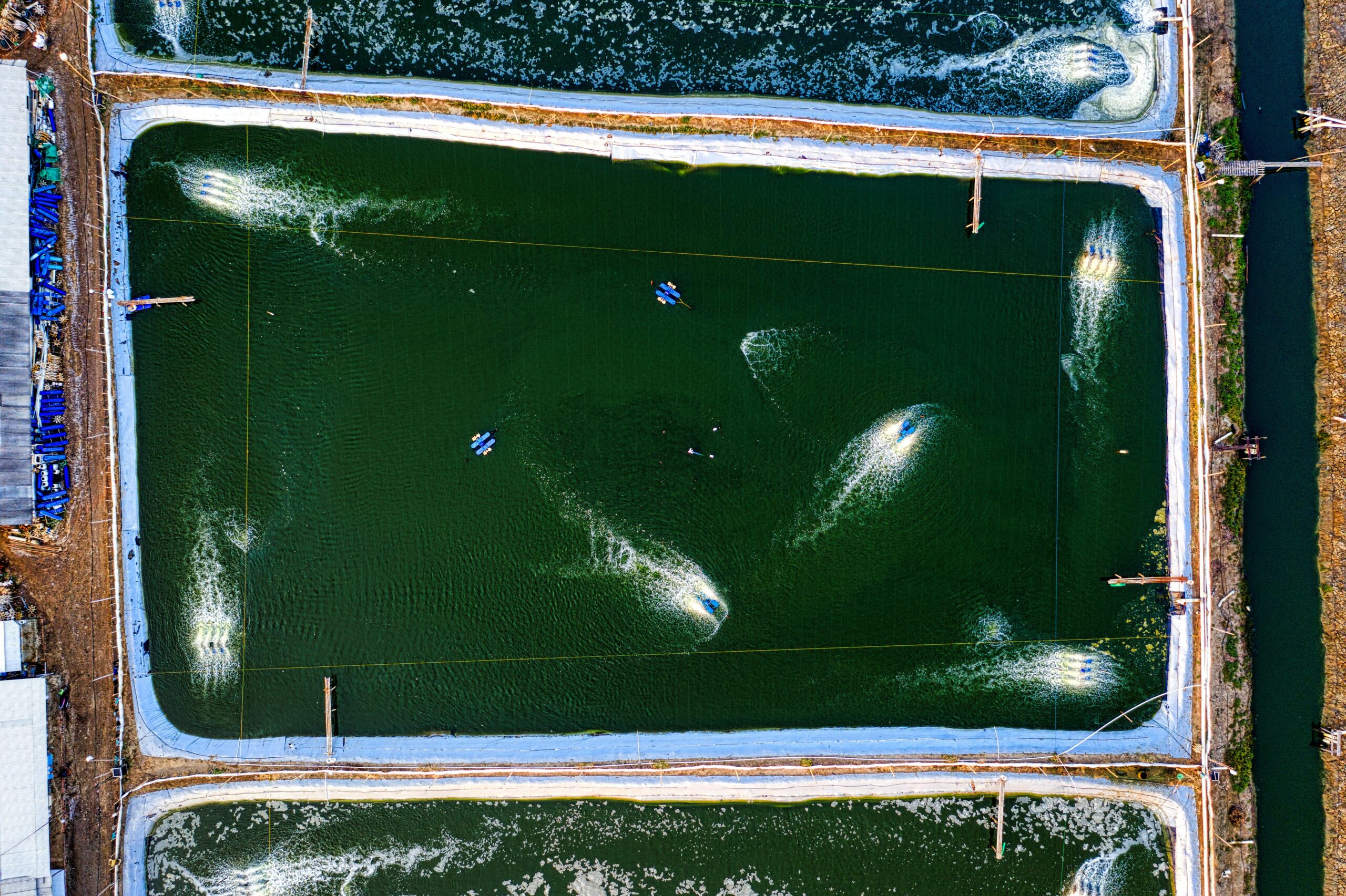
Farmers across the UK face strict regulations regarding the storage of slurry and silage. A heavy-duty pond liner is essential to prevent nitrates from leaching into the groundwater. Using high-quality HDPE pond liner ensures compliance with environmental standards while providing a durable solution that can withstand the corrosive nature of organic waste.
2. Commercial Lakes and Golf Course Management
For a golf course, a lake is more than just a water hazard; it is a vital part of the irrigation system. We supply and install geomembrane lake liners for golf courses that act as rainwater harvest points. By using a butyl pond liner or EPDM, we ensure the lake remains at a constant level, reducing the need for expensive mains-water top-ups.
3. Attenuation Tanks and SuDS
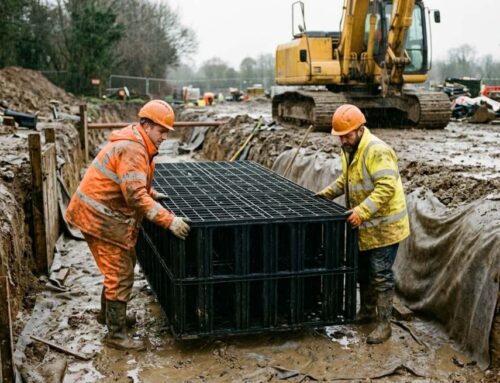
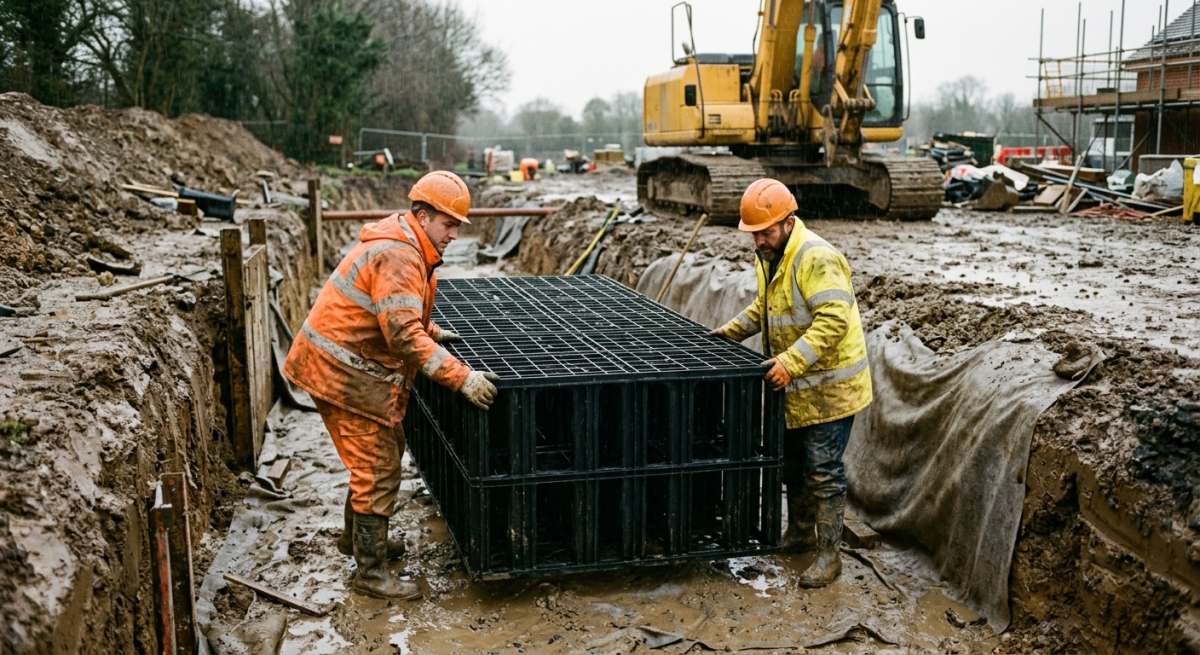
With the increasing focus on Sustainable Drainage Systems (SuDS) in UK construction, attenuation tanks and soakaways have become a priority. An industrial liner ensures that storm water is contained and released slowly, preventing local flooding and ensuring the site meets modern planning requirements.
The Professional Advantage: Installation and On-Site Welding
One of the most frequent questions we receive is, “Can we install an industrial liner ourselves?” While a small pond liner for a garden might be a weekend DIY project, industrial applications are a different task entirely.
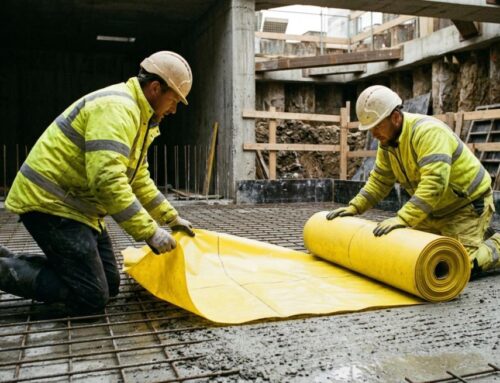
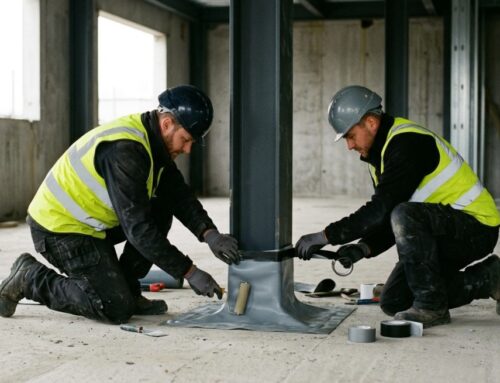
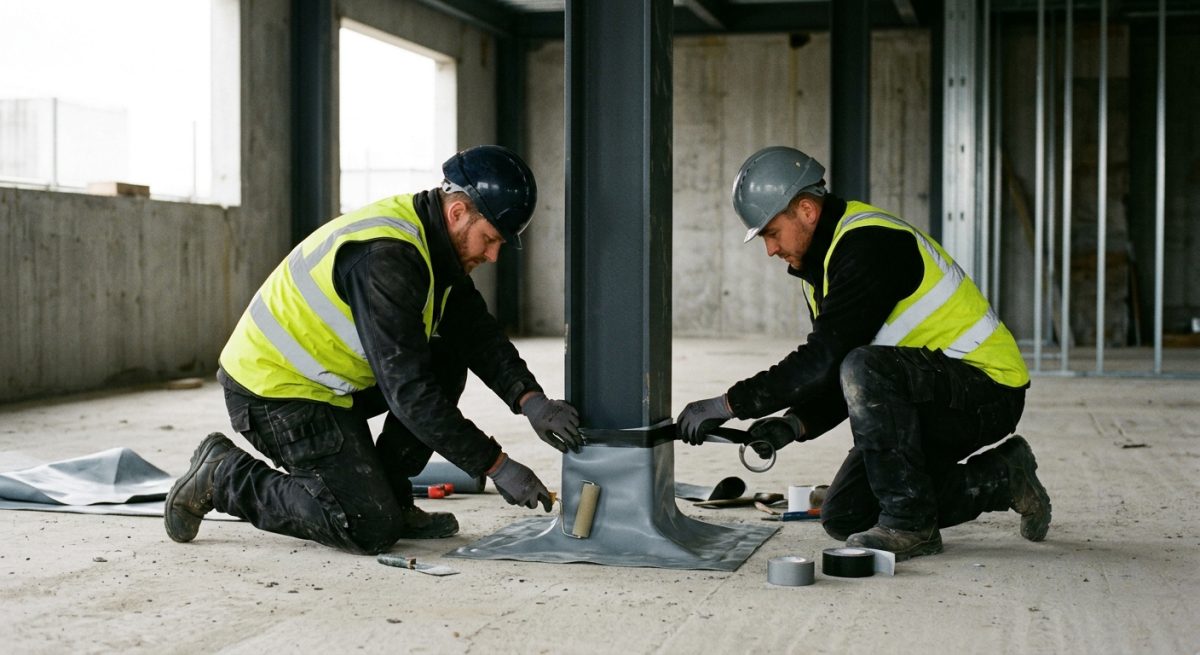
On-site welding is the most critical part of the process. For large-scale projects, the liner arrives in large rolls that must be joined together. Professional contractors use specialised thermal welding equipment to create a “molecular bond” between the sheets. This is far superior to using tapes or glues, which are the common failure points in amateur installations.
At Catalogue Engineering, our pond liner installation process involves:
- Site Preparation – removing sharp debris and ensuring the sub-grade is compacted.
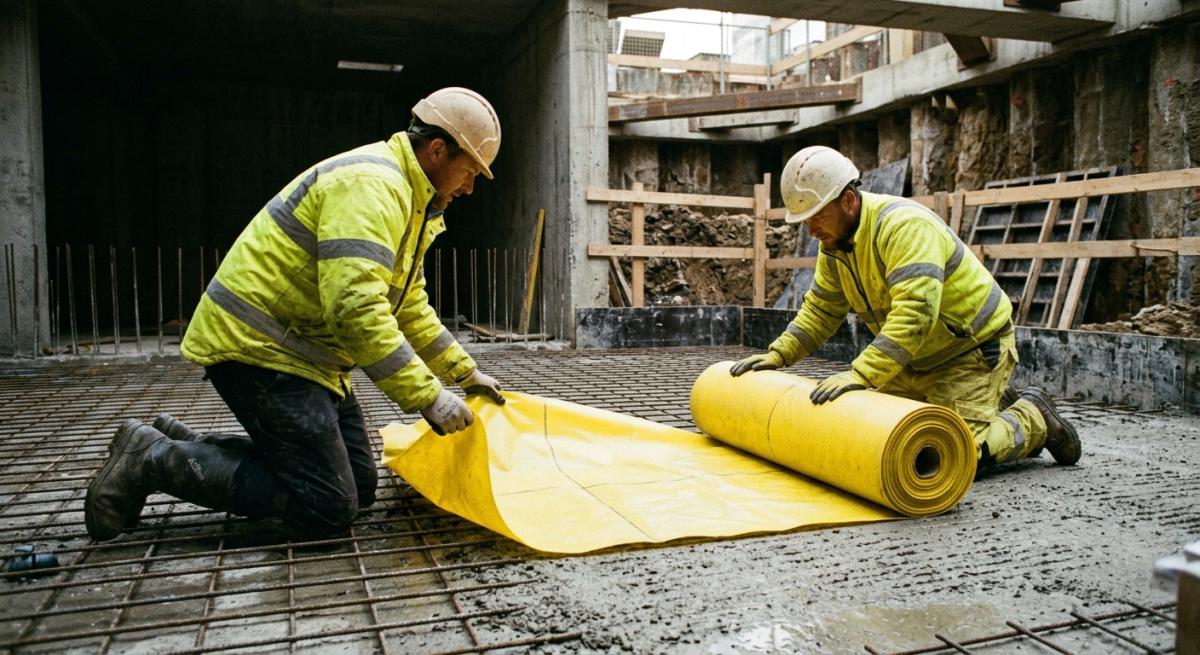
- Underlay Installation – using a heavy-duty geotextile to protect the main geomembrane from punctures.
- Bespoke Fitting – whether it’s a box-welded pond liner for a rectangular tank or a custom-fitted lagoon liner, we tailor the fit to the exact site dimensions.
Maintenance and Longevity: How Long Do Industrial Liners Last?
When investing in industrial pond liners, longevity is the primary concern for any procurement manager. A high-quality EPDM rubber pond liner or HDPE membrane, when installed correctly, should have a service life exceeding 25 to 40 years.
To ensure this lifespan, we recommend:
- Regular Inspections: Checking the edges (where the liner is anchored) for any signs of soil erosion.
- UV Protection: While most industrial liners are UV-stabilised, keeping the liner submerged or covered with a protective layer of soil/aggregate can extend its life even further.
Environmental Impact and Sustainability
Modern engineering is as much about protecting the planet as it is about managing water. A reliable plastic or bentonite clay pond liner plays a vital role in water conservation. By preventing seepage, we are effectively preserving a precious resource and protecting the surrounding ecosystem from potential contaminants found in industrial runoff.
In Summary: Partnering with the Experts
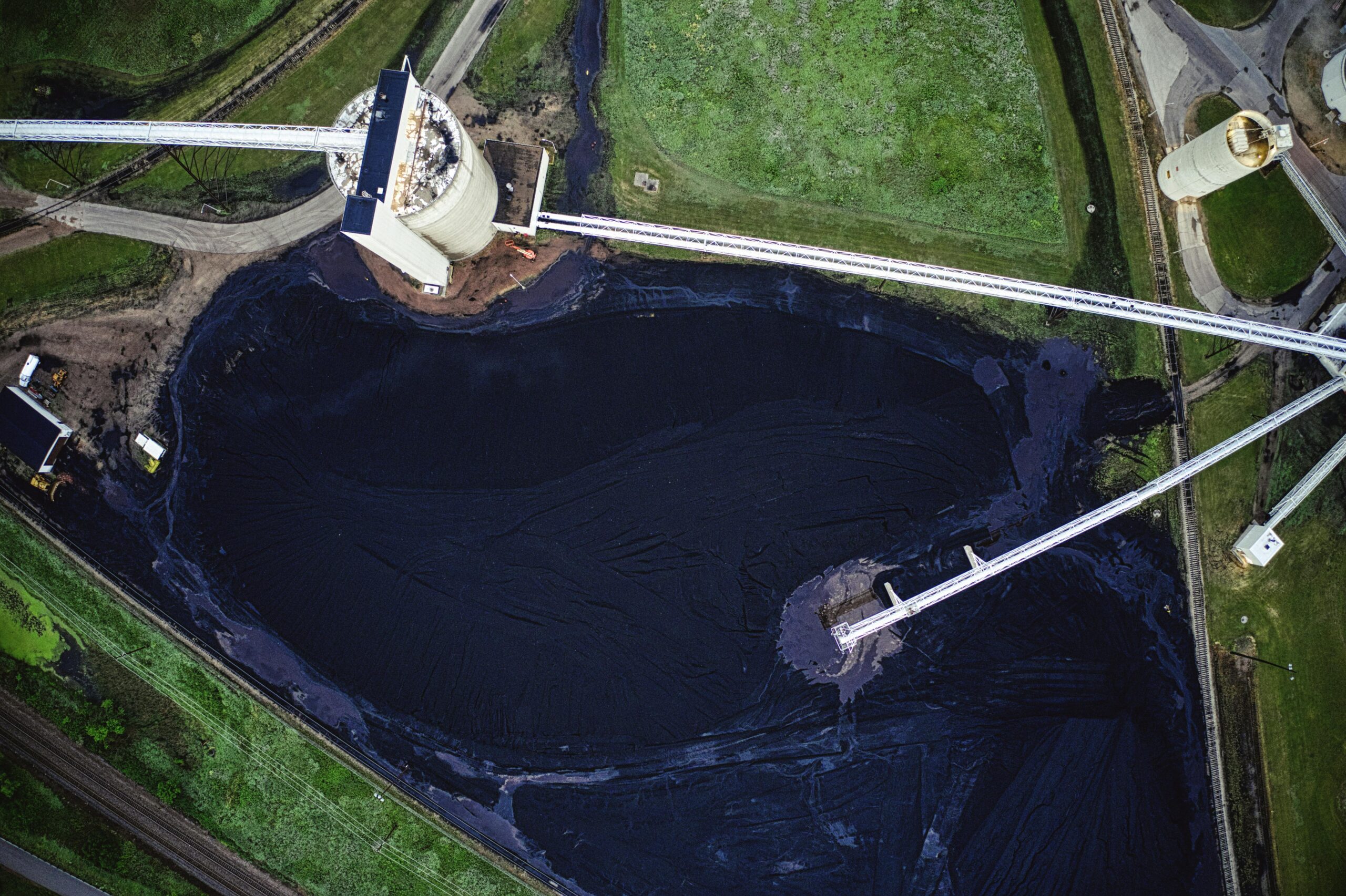
Choosing the right pond liner specialist is about more than just finding the lowest price; it’s about ensuring the long-term integrity of your infrastructure. From golf course lake liners to hydrocarbon bunds, the material choice and installation quality will dictate the success of your project for decades to come.
If you are currently planning a large-scale water containment project, don’t leave it to chance. At Catalogue Engineering, we offer the expertise, materials, and 35 years of UK-wide experience to get it right the first time.
Looking for proven civil engineering expertise? Discover how we solve complex site drainage and containment challenges for our customers in our water management case studies.
Need technical advice on your next project? Contact our expert team today for a consultation on the best materials and installation methods for your specific site requirements.
Phone: 03300 583335 Email: enquiries@catalogue.engineering