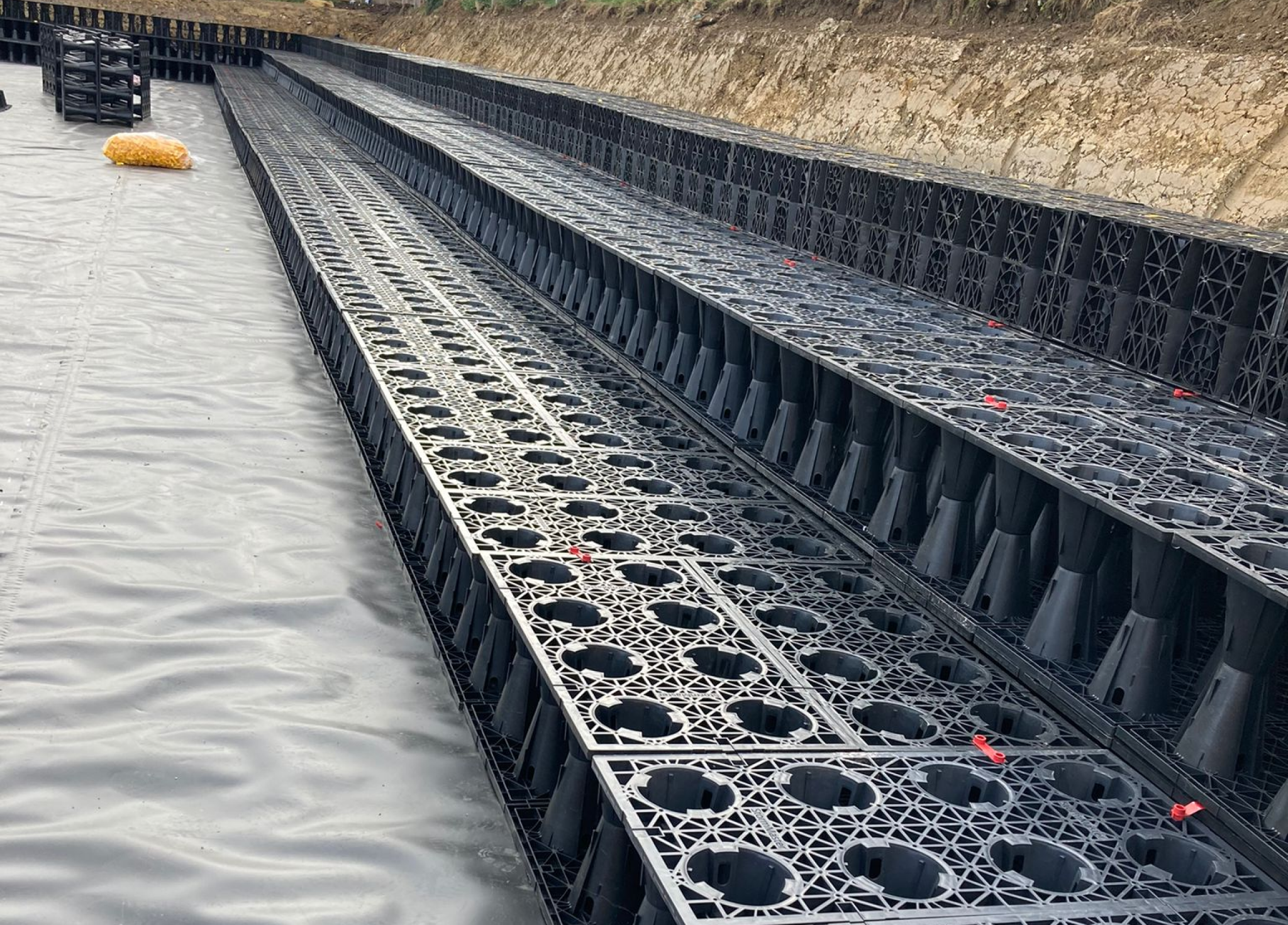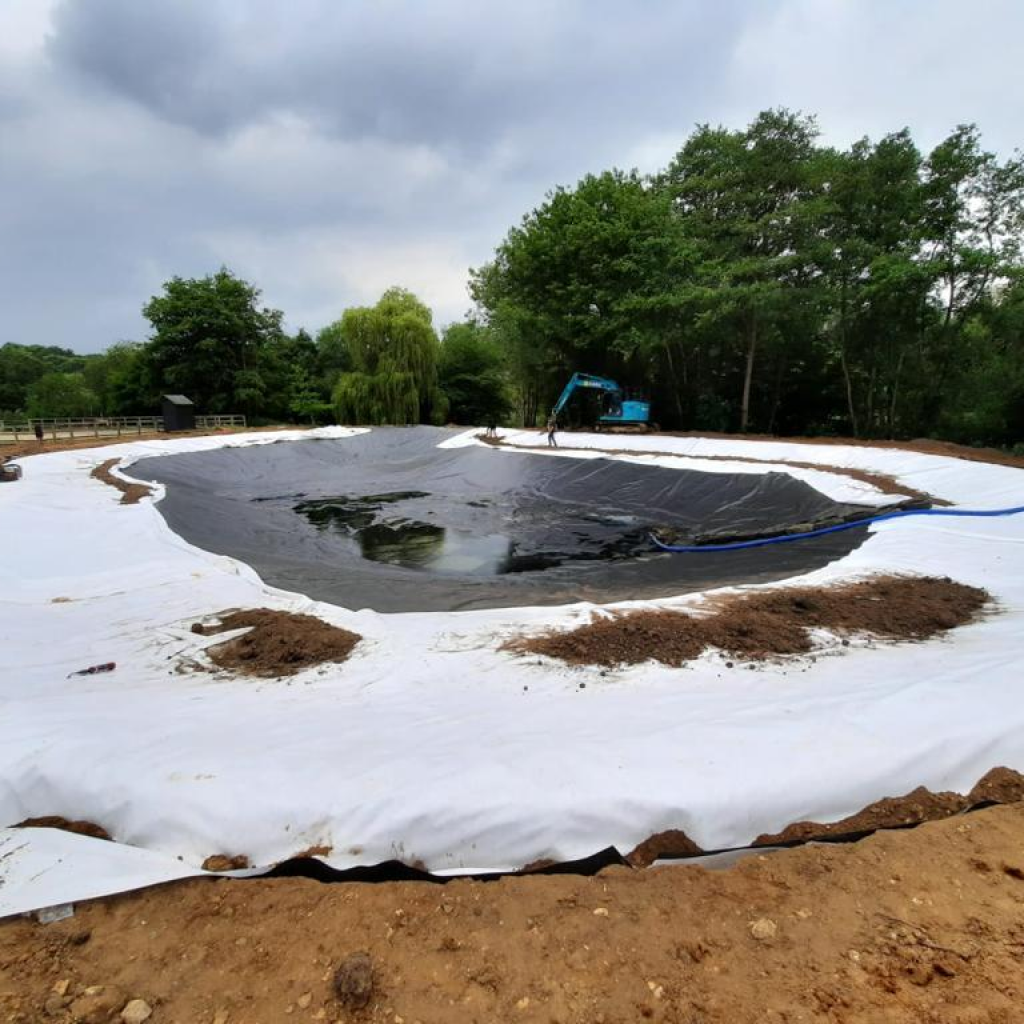
When a site has been determined to contain harmful ground gases, installing a high-quality protective membrane becomes a necessary part of the construction process.
At Catalogue Engineering, our NVQ Level 2-qualified gas barrier installation specialists bring over 30 years of experience supplying and fitting gas membranes across a wide range of construction projects. This expertise ensures your building maintains structural integrity, protects occupants from harmful gases, and meets UK construction and environmental standards.
In the blog below, we’ll explore the importance of gas barriers, the many options available, and which type may be best for your requirements.
Do I need a gas barrier?
It is a legal requirement for most new developments to undergo a professional ground gas assessment before construction begins. This consists of experienced specialists carrying out a detailed inspection to identify any hazardous gases that may be present on site. The most commonly occurring of these are:
- Radon (a natural byproduct of uranium decay)
- Methane (often found in contaminated land such as old landfills and mining sites)
- Carbon dioxide (often present in former industrial areas)
- Volatile organic compounds, or VOCs (found as a result of fuel leakages, farming chemicals and improper disposal of common products)
If it is determined that a site contains dangerous levels of these types of gases, a gas membrane should be installed for the long-term protection of buildings and their inhabitants. This mandatory installation:
- Reduces the risk of occupants experiencing dizziness, nausea, respiratory issues or potentially life-threatening health conditions such as asphyxiation and cancer
- Minimises risks of fires and explosions by preventing gas ingress and accumulation
- Keeps buildings structurally sound and protects against moisture, mould, and rot
- Ensures you adhere to required UK building and gas barrier installation standards, including BS 8485, BR 211, CIRIA 735, and Building Regulations (Part C)

Does it matter which type of gas membrane I have installed?
Yes. Opting for the wrong type of gas barrier can cause many problems, including:
- Structural damage to buildings due to gas ingress
- Non-compliance with BS 8485, the British code of practice for designing protective measures against methane and carbon dioxide
- Project delays and extra costs
- Increased liability for your business
It’s also important to remember that while it is possible to install a gas barrier yourself, this isn’t advisable. Using a qualified NVQ Level 2 gas membrane installer with knowledge of specific techniques and materials is recommended for most major construction projects and will ensure that your installation is completed to the required standards.
Common types of gas membranes
The most suitable gas barrier for your project depends on the specific risks identified during your site’s ground gas assessment. This information will enable you (or your chosen contractor) to select the best material solution for your site’s needs, ensuring construction remains safe and compliant.
Polyethylene-based gas membranes
Polyethylene (PE) gas barriers provide basic protection against damp and gas. There are many HDPE, LDPE, and LLDPE products on the market, with each variant boasting a specific range of benefits. LDPE membranes are typically more lightweight and flexible, whereas HDPE gas barriers are more durable and tear-resistant.
When used in conjunction with other materials such as aluminium foil, polyethylene can help create an effective barrier against radon, methane, and carbon dioxide.
PVC-based gas membranes
PVC-based gas barriers are known for their longevity and durability. They offer effective protection against radon, methane, VOCs and CO2, and tend to cost more than standard PE options.
In the hands of experienced professionals, PVC-based gas membranes are easy to install and can last for many decades. They are suitable for use on brownfield land and high-risk gas sites, acting as a reliable solution to safeguard buildings from hazardous ground gases.
Composite gas membranes
Composite gas membranes are composed of multiple material layers, with polyethylene commonly used in this type of barrier. Typically made of 2-4 layers, composite membranes work by combining the best features of different materials to offer superior protection.
Immensely durable and highly resistant to punctures and tears, composite solutions are designed to protect against multiple harmful substances simultaneously, preventing methane, radon, CO2, hydrocarbons, and VOCs from impacting buildings and their inhabitants.
Trusted NVQ level 2 qualified gas barrier installers
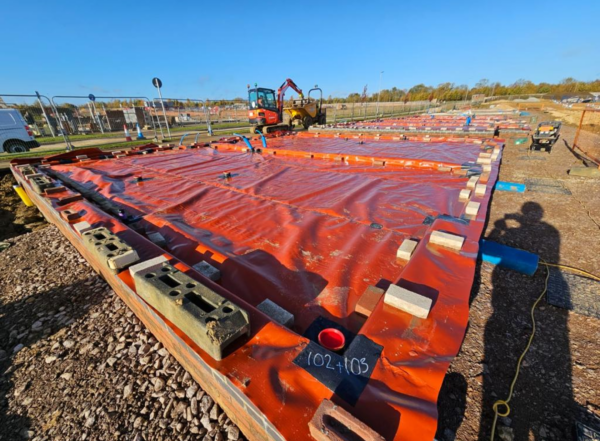
At Catalogue Engineering, many of our team members hold an NVQ Level 2 in the Installation of Gas Membranes. This means that they are certified in the preparation and installation of gas-proof barriers in building structures, use best-practice sealing and welding techniques, and follow all required safety guidelines without exception. All our gas membranes are designed, installed and verified to BS8485 and CIRIA 735, so you can trust that all our work meets the highest standards.
As one of the UK’s most reliable installers of Fosroc, Visqueen and JUTA gas barriers, we will work with you to provide a suitable solution for all your ground gas protection requirements. To find out how we can help you, fill out our contact form or call 0330 058 3335 today.