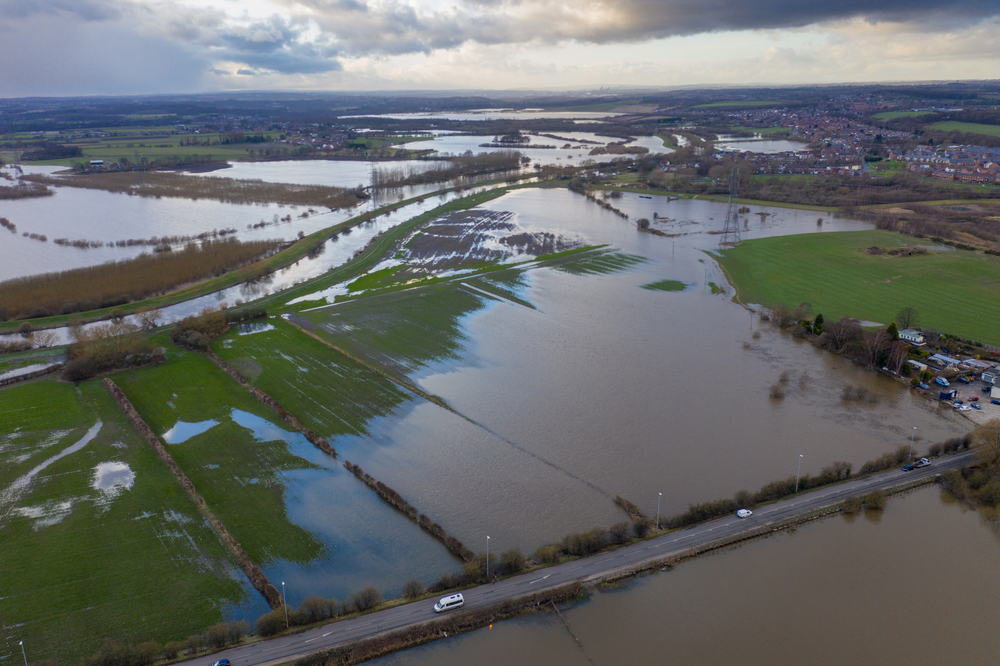
The annual cost of urban flooding in England and Wales is estimated at around £270 million. As cities face increasing pressure from climate change, flooding, and overheating, blue roofs and green roofs have become two of the most talked-about sustainable roofing solutions in the UK. While they are often mentioned together, they serve very different purposes.
In this guide, we’ll explain what a blue roof is, what a green roof is, and clearly break down the difference between blue and green roofs so you can decide which roof system best suits your project.
What Is a Blue Roof?
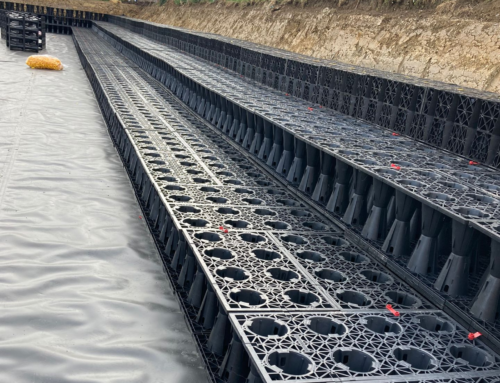
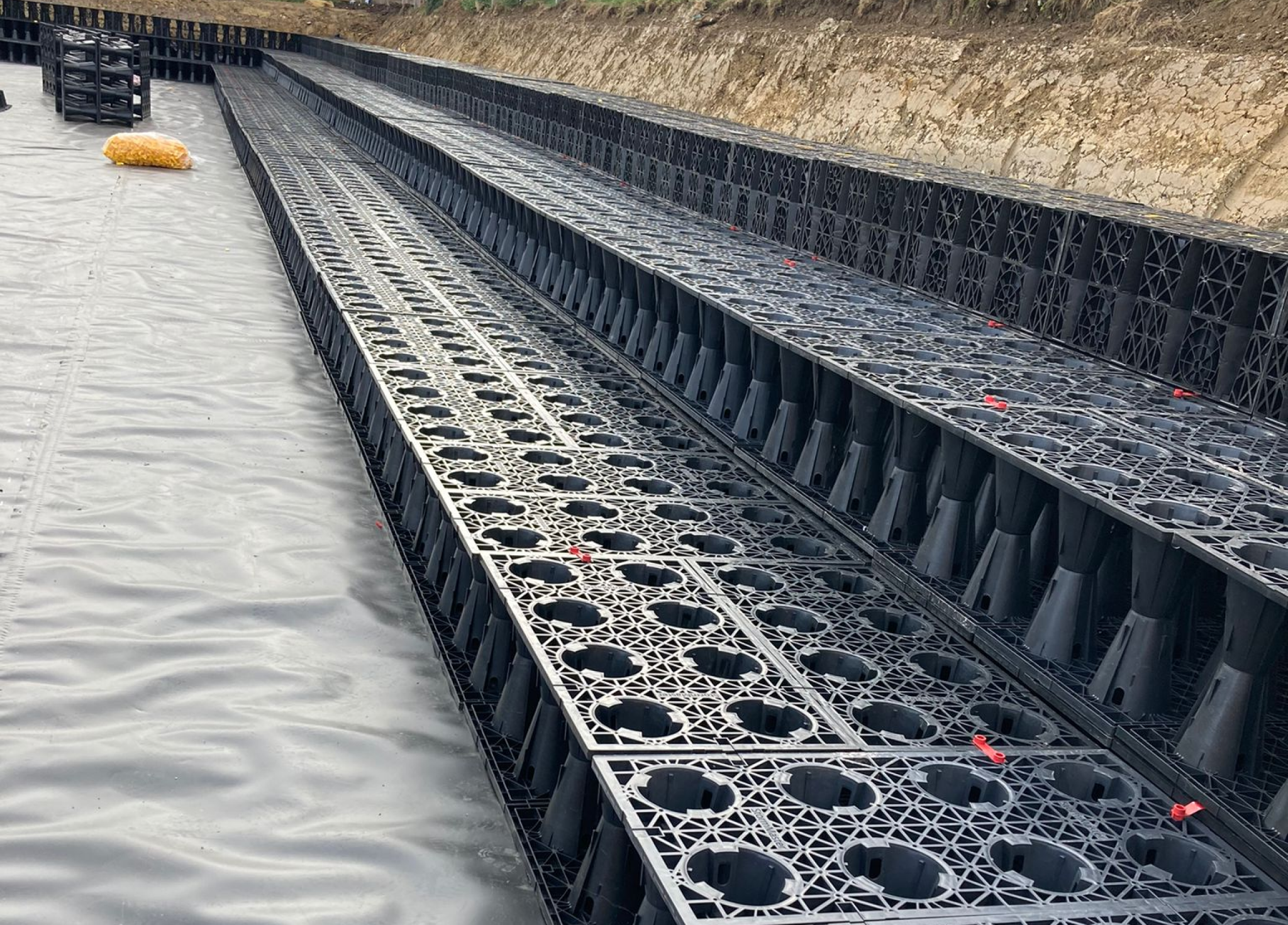
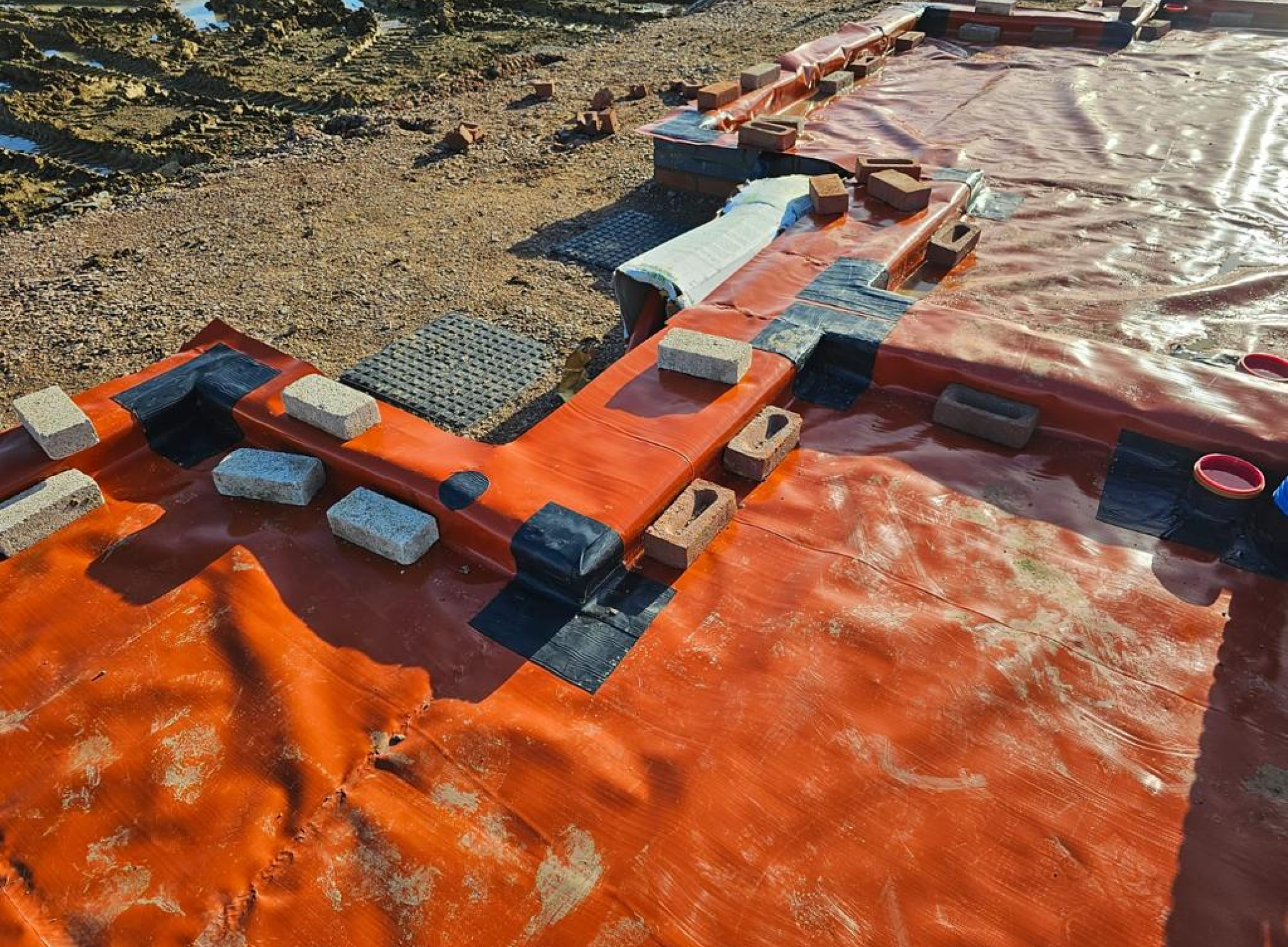
A blue roof is a flat roof system designed to store, control, and slowly release rainwater. Instead of allowing water to drain away immediately, blue roofs temporarily hold stormwater using engineered drainage layers, flow restrictors, and smart controls designed to release water back into the environment at a measured rate. Hence the term, blue roof. The main goal of a blue roof is to slow down the rainwater from entering and overwhelming the drainage system.
Key Features of a Blue Roof System
- Designed primarily for stormwater management ensuring local systems and drainage aren’t overwhelmed.
- Often used on commercial and industrial buildings helping to prevent surface water flooding.
- Can integrate with smart sensors for controlled water re-use in irrigation systems and toilet flushing.
Blue roofing is particularly popular in dense urban areas where managing rainfall is critical and green space is limited.
What Is a Green Roof?
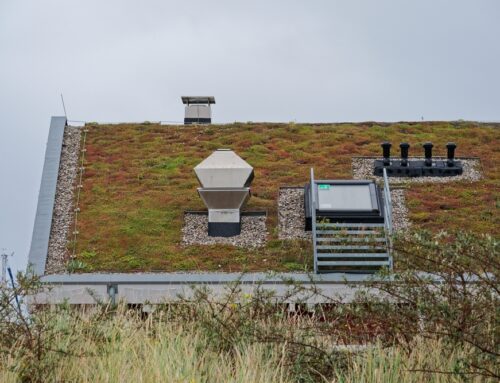
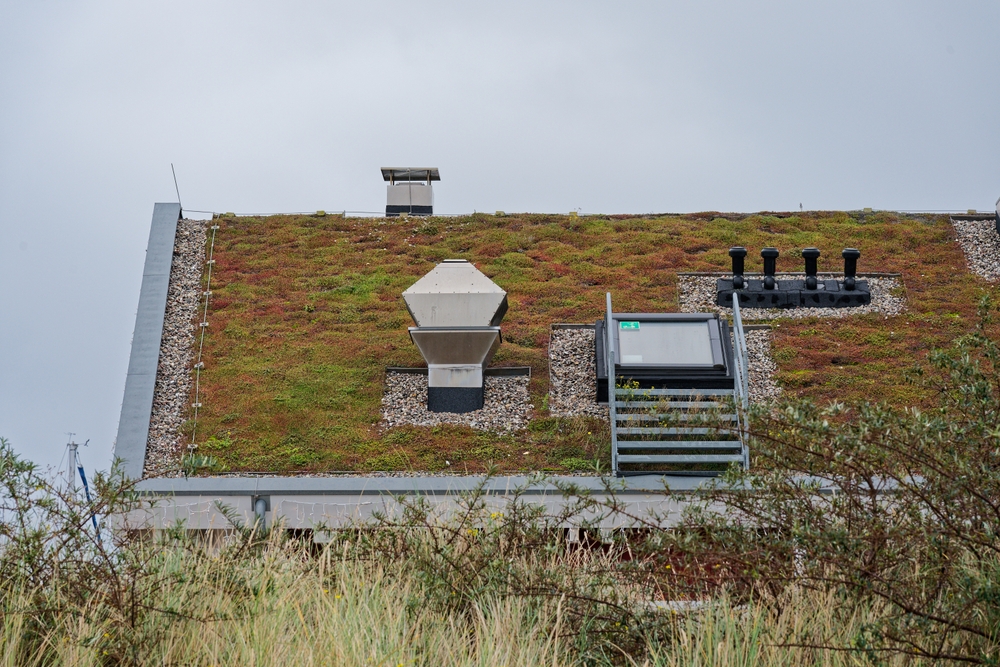
A green roof is a roofing system that supports vegetation, such as sedum, grasses, or even full rooftop gardens. Green roofs include multiple layers that allow plants to grow while protecting the waterproof membrane beneath.
Key Features of a Green Roof System
- Covered with living plants and growing medium
- Improves biodiversity and urban ecology
- Enhances thermal insulation
- Reduces the urban heat island effect
- Improves air quality and building aesthetics
Green roofing is widely used on residential, commercial, and public buildings where visual impact and environmental benefits are priorities.
The Difference Between Blue and Green Roofs
Although both are sustainable roofing solutions, the differences between blue and green roofs lie in function, design, and benefits.
| Feature | Blue Roof | Green Roof |
| Primary purpose | Stormwater management | Environmental & insulation benefits |
| Vegetation | None | Yes |
| Water handling | Stores and controls runoff | Absorbs and uses rainfall |
| Weight | Generally lighter | Heavier due to soil and plants |
| Maintenance | Low | Moderate |
| Visual impact | Minimal | High |
In short, blue roofs manage water, while green roofs manage heat, biodiversity, and aesthetics.
Blue Roof vs Green Roof: Benefits Compared
Benefits of Blue Roofs
- Excellent solution for flood mitigation
- Lower structural load than green roofs
- Cost-effective for large flat roofs
- Supports sustainable urban drainage (SuDS)
- Minimal ongoing maintenance
Benefits of Green Roofs
- Improves building energy efficiency
- Extends roof membrane lifespan
- Creates usable or visual green space
- Supports wildlife and pollinators
- Enhances property value and appearance
Can You Combine Blue and Green Roofing?
Yes. Many modern designs now use blue-green roofs, which combine controlled water storage with vegetation. These hybrid systems deliver the stormwater benefits of blue roofs alongside the environmental advantages of green roofs, making them ideal for forward-thinking developments.
Which Roof System Should You Choose?
Choose a blue roof system if:
- Flood prevention is your main concern
- You have a large flat commercial roof
- Structural load capacity is limited
Choose a green roof system if:
- You want improved insulation and biodiversity
- Visual impact and sustainability credentials matter
- You’re designing for long-term environmental value
In the UK, there’s currently no British or European standard covering the construction of blue roofs as they’re quite new to the market. So an expert working group from the NFRC Joint Flat Roofing Technical Committee was set up to fill the gap. Bringing together UK manufacturers, industry bodies, and drainage specialists, the group produced practical guidance to help designers, specifiers, and installers deliver blue roof systems correctly. Download a guide to Blue Roofing to ensure your project adheres to the standards set out in their research.
Blue Roofing vs Green Roofing
Both blue and green roofs play a vital role in sustainable building design, but they are not interchangeable. Understanding the difference between blue roofing and green roofing ensures you select the right solution for your building, budget, and environmental goals.
If stormwater control is your priority, a blue roof is the clear choice. If insulation, ecology, and aesthetics matter more, a green roof is likely the better investment, or consider a blue-green combination for the best of both worlds.
With decades of experience delivering proven roof systems, Catalogue Engineering provides expert installation for commercial blue and green roofs across the UK. From specification to installation, we deliver reliable solutions backed by strong technical knowledge and a track record of successful projects. To discuss your project, complete our contact form or call 0330 058 3335.