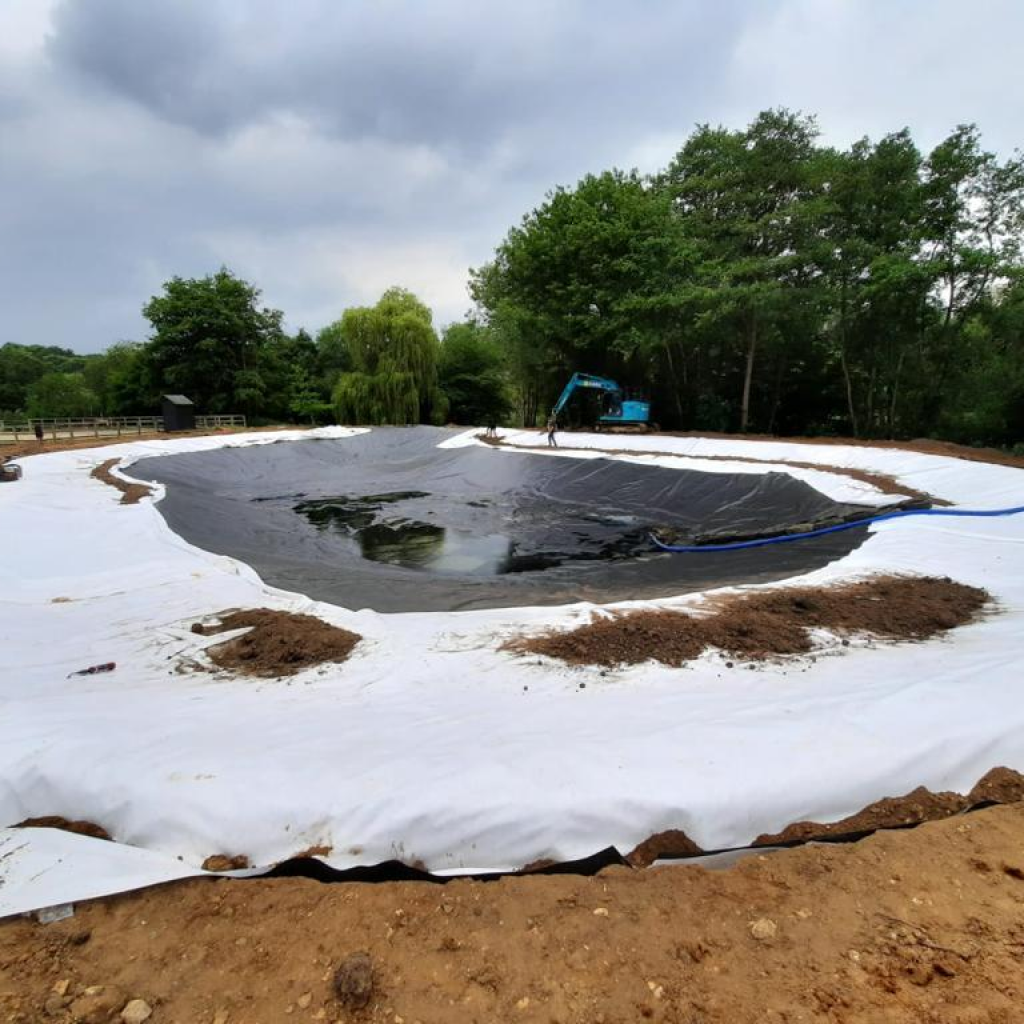
Attenuation tanks and soakaways are each designed to capture rainwater and release it at a controlled rate to reduce the risk of localised flooding. Their use in new developments is mandated by UK law, with developers required to incorporate adequate measures to manage and dispose of surface water effectively. In many cases, these systems can also be retrofitted to support existing developments to mitigate flood risks.
Even though soakaways and attenuation tanks serve a similar purpose, they work in different ways. Discover the key differences between the two, and find out which is best suited to your project.
What is an attenuation tank?
Attenuation tanks are underground systems that collect and hold rainwater before releasing it back into a natural or man-made watercourse (e.g., a river or reservoir) or the local drainage infrastructure at a controlled rate. They are often installed near impermeable surfaces such as roofs, roads, driveways and car parks, capturing runoff via pipes and drains.
How does an attenuation tank work?
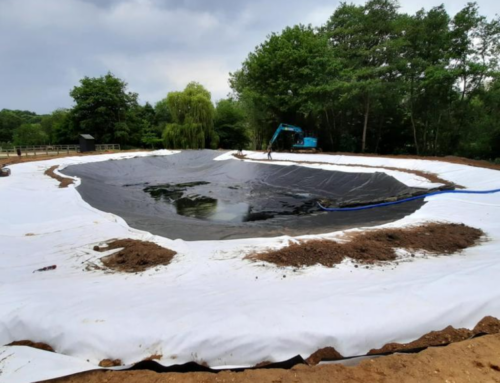
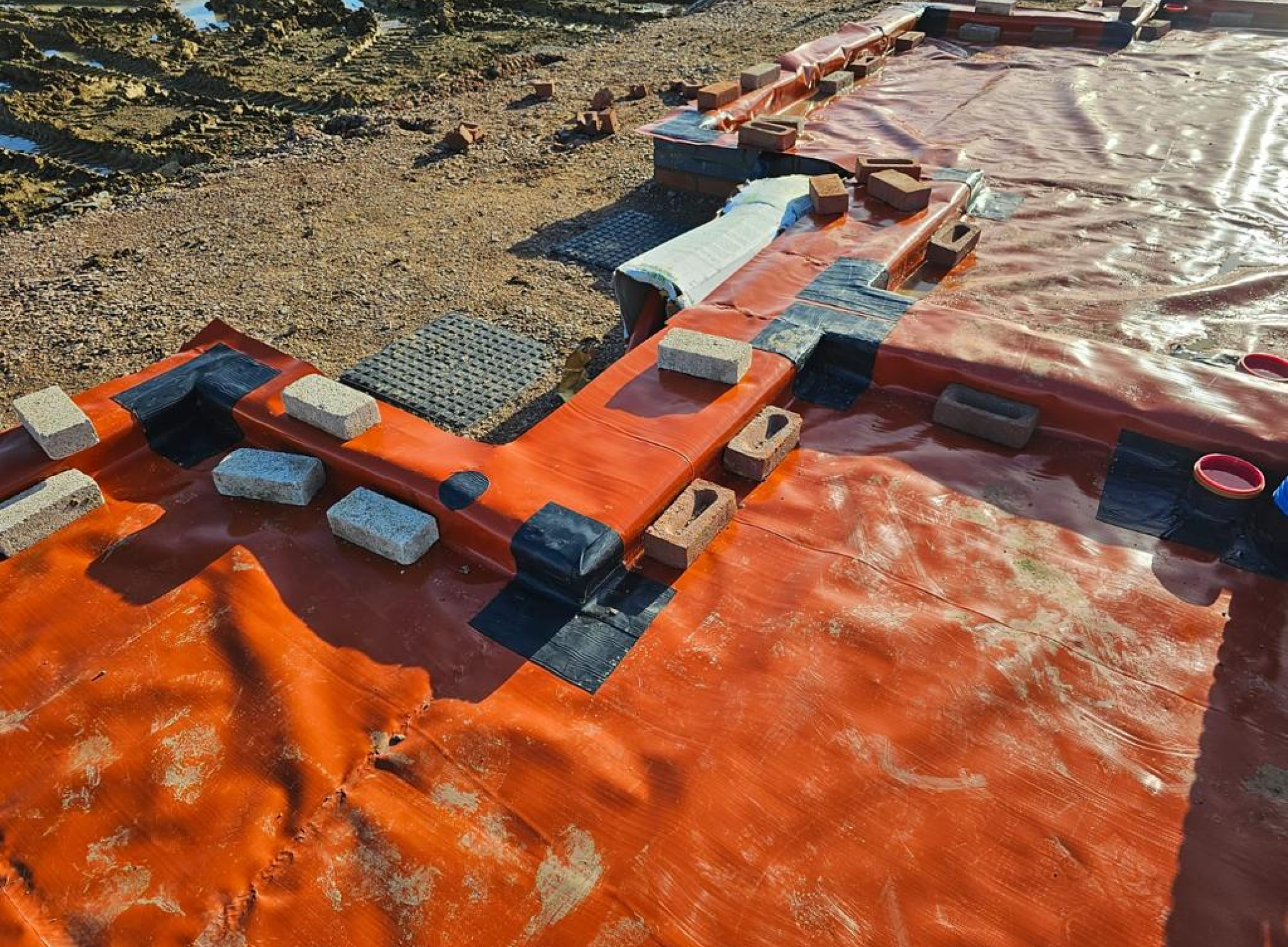
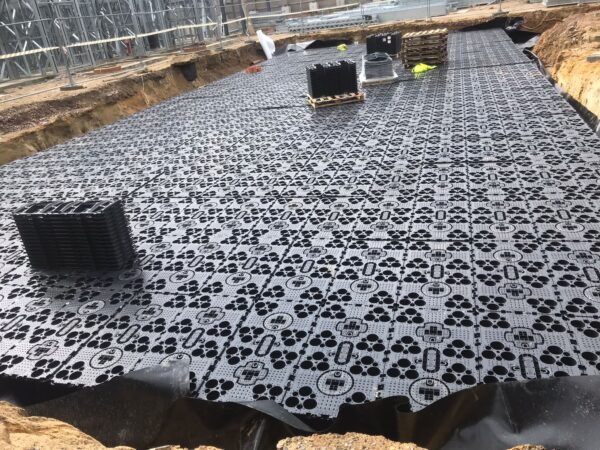
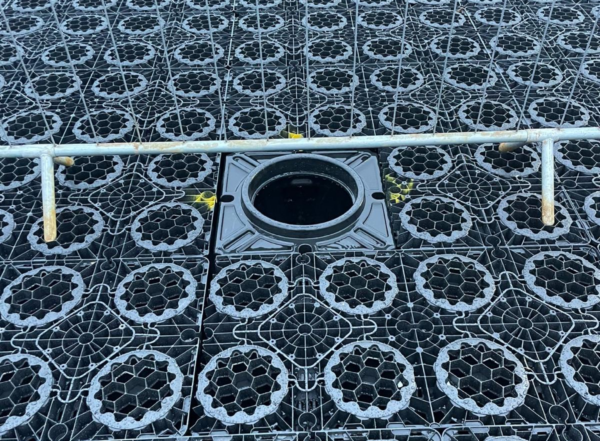
Many attenuation tanks are constructed from plastic crates (geocellular units) that are clipped together to form a structured system and sealed with an impermeable membrane. Integrated flow control devices, such as hydrobrakes or orifice plates, then manage the rate at which water is discharged, ensuring it is released into a watercourse or drainage system in a controlled manner.
When is an attenuation tank required?
Impermeable surfaces in domestic, commercial, and industrial developments have led to increased chances of surface water runoff and reduced natural infiltration. Stormwater attenuation tanks are commonly installed to manage runoff in areas with limited green space or poor infiltration conditions. They play a crucial role in flood risk management in urban settings and are essential for enhancing public safety, preventing property damage, and preserving the natural ecosystem.
The installation of attenuation tanks also helps developers manage excess rainwater in line with planning and regulatory requirements such as the Flood and Water Management Act 2010 and Building Regulations Part H.
What is a soakaway?
Soakaways are underground drainage systems designed to allow water to infiltrate (or percolate) into the ground, mimicking natural drainage patterns. They temporarily store runoff from impermeable surfaces and allow this to soak into soil at a rate determined by its natural permeability, helping to prevent waterlogging and reduce pressure on sewers.
How do soakaway systems work?
Modern soakaways are often designed with modular plastic crates, although more traditional systems use rubble or gravel. Soakaway crates have a high void ratio of around 90-95%, which means they have plenty of space to store rainwater temporarily. They are also wrapped in a permeable geotextile membrane that prevents debris from entering the system while allowing water to seep through. Once collected, the water gradually infiltrates into the surrounding soil at a manageable rate.
When is a soakaway needed?
Soakaways are recommended for sites with permeable soils, such as sand or gravel, where water can infiltrate efficiently. Their suitability is usually confirmed through a percolation test, which measures the rate at which water drains through the soil. Soakaway schemes are typically used for smaller residential or commercial projects due to their relatively simple construction and lower cost compared to attenuation tanks.
Attenuation tanks vs soakaways: Choosing the right solution
The choice between attenuation tanks and soakaways depends on several factors. In some cases, a combination of both systems may be required to manage surface water effectively.
Soil type: Soakaways are ideal for sites with permeable soils that allow natural infiltration. Attenuation tanks are recommended on sites with poor drainage capabilities, whether as a result of slow-draining soils or a lack of green space.
Project size: Attenuation tanks can store larger volumes of rainwater, making them suitable for bigger developments. They safely manage runoff and release water at controlled rates into local drainage systems or watercourses. Soakaways are generally better suited to smaller-scale projects.
Distance from buildings: UK regulations state that soakaways should be installed at least 5 metres from nearby buildings to prevent water damage. Attenuation tanks, depending on their design, can often be positioned closer to structures, making them a practical solution for sites with limited space.
Experts in soakaway and attenuation tank installation
Catalogue Engineering has over 30 years of experience in the design, supply, and installation of attenuation tanks and soakaway systems. We work with a wide range of clients on various commercial and residential projects throughout the UK, using our expert knowledge to provide the best solution for all your stormwater management needs.
Find out more about our professional attenuation tank and soakaway installation services by calling us on 0330 058 3335 or filling out our contact form today.